Best tips for staying hydrated and understanding the importance of hydration in 2024 – Staying hydrated is crucial for overall health and well-being, especially in today’s fast-paced world. From boosting energy levels to supporting cognitive function, the benefits of adequate hydration are undeniable. But understanding how to properly hydrate can be a challenge. This guide explores the importance of hydration, provides practical tips for staying hydrated throughout the day, and addresses common concerns about hydration needs across different lifestyles and health conditions.
We’ll delve into the science behind hydration, exploring its impact on various bodily systems and how it contributes to overall health. You’ll discover personalized hydration plans, strategies for incorporating hydrating foods, and techniques for recognizing signs of dehydration. We’ll also discuss the role of hydration in managing specific health conditions, promoting healthy aging, and supporting an active lifestyle.
Understanding the Importance of Hydration
Water is the foundation of life, playing a crucial role in countless bodily functions. From regulating temperature to transporting nutrients and removing waste, water ensures our bodies operate efficiently.
The Impact of Dehydration on Physical and Cognitive Performance
Dehydration can significantly impair physical and cognitive performance. When our bodies lack sufficient water, various systems are affected, leading to decreased energy levels, reduced muscle strength, and impaired mental clarity.
- Reduced Physical Performance:Dehydration can lead to a decrease in muscle strength and endurance, making physical activities more challenging.
- Impaired Cognitive Function:Dehydration can affect brain function, leading to reduced concentration, memory problems, and increased fatigue.
- Increased Risk of Heat Stroke:Dehydration makes our bodies more susceptible to heat stroke, a serious condition that can be life-threatening.
The Impact of Dehydration on Bodily Systems
Dehydration affects various bodily systems, including:
- Circulatory System:Dehydration can lead to decreased blood volume, which can strain the heart and reduce blood flow to vital organs.
- Digestive System:Dehydration can cause constipation and digestive problems, as water is essential for proper digestion.
- Renal System:Dehydration can strain the kidneys, making it difficult to remove waste products from the body.
- Skin:Dehydration can lead to dry skin, wrinkles, and other skin problems.
The Connection Between Hydration and Overall Health
Staying adequately hydrated is crucial for overall health and well-being.
- Improved Immune Function:Hydration helps to maintain a healthy immune system, enabling the body to fight off infections more effectively.
- Reduced Risk of Chronic Diseases:Studies suggest that adequate hydration may help reduce the risk of developing chronic diseases such as kidney stones and heart disease.
- Improved Mood and Energy Levels:Dehydration can contribute to fatigue, headaches, and mood swings. Staying hydrated can help improve mood and energy levels.
Hydration Needs of Different Individuals
Our hydration needs vary depending on factors such as age, activity level, and climate.
- Age:Infants and young children have a higher water turnover rate than adults, making them more susceptible to dehydration. Older adults may also experience a decline in thirst sensation, increasing their risk of dehydration.
- Activity Level:Individuals who engage in intense physical activity or live in hot climates lose more water through sweat and require more fluid intake.
- Climate:Hot and humid climates increase the body’s water loss through sweat, making it essential to drink more fluids.
Best Tips for Staying Hydrated
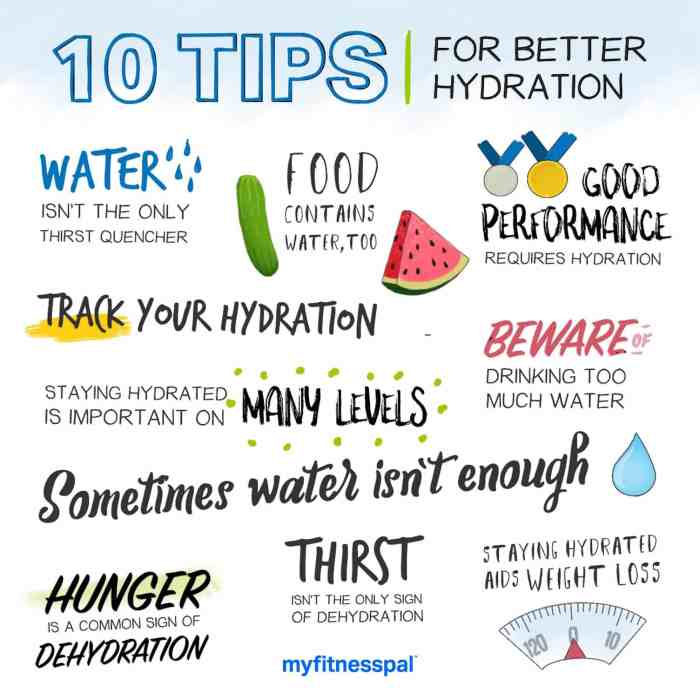
Staying hydrated is crucial for overall health and well-being. It helps regulate body temperature, transports nutrients, and flushes out waste products. Here are some practical tips for ensuring you stay adequately hydrated throughout the day.
Designing a Personalized Hydration Plan
A personalized hydration plan takes into account individual needs and factors like activity level, climate, and overall health. Consider these aspects:
- Activity Level:More active individuals need to consume more fluids to replace sweat loss.
- Climate:Hot and humid weather requires increased fluid intake to compensate for greater sweat loss.
- Health Conditions:Certain health conditions, like kidney disease, may necessitate specific fluid intake recommendations.
Practical Tips for Carrying and Consuming Water
Carrying water with you throughout the day makes it easy to stay hydrated. Consider these practical tips:
- Reusable Water Bottle:Invest in a durable and reusable water bottle to carry with you.
- Set Reminders:Use alarms or phone reminders to prompt yourself to drink water regularly.
- Water Infuser:Add slices of fruits or herbs to your water to make it more flavorful and enjoyable.
Incorporating Hydrating Foods
While water is essential, incorporating hydrating foods into your diet can contribute to overall hydration.
- Fruits and Vegetables:Watermelon, cucumbers, spinach, and berries are rich in water content.
- Soups and Stews:These can provide a significant amount of fluids, especially during colder months.
Monitoring Hydration Levels
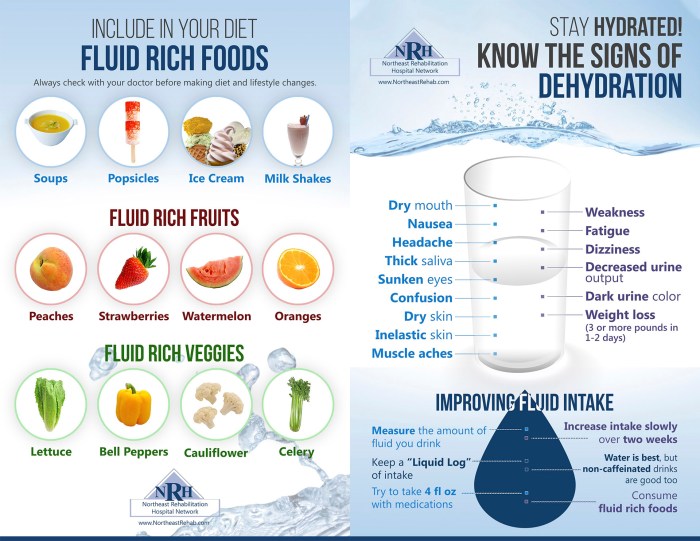
Recognizing the signs of dehydration is crucial for ensuring adequate hydration. Look out for these indicators:
- Dark Urine:Darker urine indicates dehydration, while light-colored urine suggests adequate hydration.
- Dry Mouth and Lips:Dryness in the mouth and lips can be a sign of dehydration.
- Headache:Dehydration can trigger headaches, especially in individuals prone to them.
Staying Hydrated During Exercise and Hot Weather
Maintaining hydration during exercise and in hot weather is critical for preventing dehydration and heat-related illnesses. Follow these strategies:
- Pre-Hydration:Drink water before, during, and after exercise or spending time in hot weather.
- Electrolyte Replacement:Consider consuming sports drinks or electrolyte-rich beverages during intense exercise to replenish lost electrolytes.
- Avoid Sugary Drinks:Sugary drinks can dehydrate you, so stick to water or low-sugar electrolyte beverages.
Hydration and Health Conditions
Staying hydrated is crucial for overall health, but it takes on even greater importance when managing certain health conditions. Proper hydration can play a vital role in preventing complications, promoting recovery, and improving overall well-being for individuals with specific health concerns.
Hydration and Kidney Stones
Kidney stones are hard deposits that form in the kidneys when certain substances in urine become concentrated. Staying hydrated helps to dilute these substances, making it less likely for stones to form. The increased urine volume also helps to flush out existing stones, preventing them from growing larger.
Drinking enough water is one of the most effective ways to prevent kidney stones.
Hydration and Constipation
Constipation occurs when bowel movements become infrequent or difficult to pass. Dehydration can contribute to constipation by making stools harder and drier, making them more challenging to eliminate. Adequate fluid intake helps to soften the stool and promote regular bowel movements.
Hydration and Urinary Tract Infections
Urinary tract infections (UTIs) are infections that affect the urinary tract, which includes the kidneys, bladder, and urethra. Drinking plenty of fluids, particularly water, helps to flush out bacteria that can cause UTIs. This is especially important for individuals who are prone to UTIs, as it can help to prevent recurrent infections.
Hydration and Recovery from Illness and Injury
When the body is ill or injured, it requires additional fluids to help with healing and repair. Hydration helps to replenish fluids lost through sweating, fever, or vomiting, and it also supports the body’s natural immune response. Adequate fluid intake can help to speed up recovery time and reduce the risk of complications.
Hydration Needs for Individuals with Specific Health Concerns
The hydration needs of individuals with specific health concerns can vary. For example, individuals with diabetes may need to adjust their fluid intake to manage blood sugar levels, while those with heart failure may need to limit their fluid intake to prevent fluid buildup.
It is important to consult with a healthcare professional to determine the appropriate hydration levels for individual needs.
Recommendations for Individuals with Conditions that May Affect Hydration Levels
Individuals with conditions that may affect their hydration levels should follow these recommendations:
- Consult with a healthcare professional to determine the appropriate fluid intake for their specific condition.
- Keep track of their fluid intake throughout the day and make adjustments as needed.
- Drink fluids throughout the day, rather than just consuming large amounts at once.
- Choose water as their primary source of hydration.
- Consider using reminders, such as alarms or apps, to help them stay on track with their fluid intake.
Hydration and Mental Wellbeing
Staying hydrated isn’t just about physical health; it plays a crucial role in maintaining our mental well-being too. Just like our bodies need water to function, our brains rely on it to perform at their best.
The Link Between Hydration and Mood Regulation
Dehydration can significantly impact our mood. When we’re dehydrated, our brains experience changes in neurotransmitter levels, particularly serotonin, which is associated with feelings of happiness and well-being. This imbalance can lead to irritability, anxiety, and even depression.
Hydration and Cognitive Function
Water is essential for optimal cognitive function. It helps to deliver oxygen and nutrients to the brain, facilitating communication between brain cells. Dehydration can lead to decreased concentration, memory problems, and difficulty focusing, making it harder to think clearly and make sound decisions.
Incorporating Hydration into Stress Management Techniques
Staying hydrated can be a valuable tool for managing stress. When we’re stressed, our bodies tend to lose more fluids through sweating. Replenishing those fluids can help to regulate our stress response and promote relaxation.
Strategies for Staying Hydrated During Periods of Emotional Stress
During periods of emotional stress, it’s even more important to prioritize hydration. Here are some strategies to help you stay hydrated:
- Keep a water bottle with you at all times and refill it regularly throughout the day.
- Set reminders on your phone or use a hydration tracking app to ensure you’re drinking enough.
- Choose water over sugary drinks, which can dehydrate you further.
- Include hydrating foods in your diet, such as fruits and vegetables with high water content.
The Role of Hydration in Promoting Emotional Wellbeing
Adequate hydration contributes to overall emotional wellbeing. When we’re properly hydrated, our brains function optimally, allowing us to better manage our emotions, cope with stress, and maintain a positive outlook. By prioritizing hydration, we can support our mental health and cultivate a sense of emotional balance.
Hydration and Active Lifestyle
Staying hydrated is crucial for anyone engaging in physical activity, but it’s particularly vital for athletes and active individuals. Hydration plays a significant role in enhancing performance, aiding recovery, and supporting overall health during an active lifestyle.
Hydration Enhances Performance
Adequate hydration is essential for optimal athletic performance. When you’re properly hydrated, your body can function efficiently, allowing for improved endurance, strength, and coordination.
- Improved Blood Flow:Hydration ensures sufficient blood volume, facilitating efficient oxygen delivery to working muscles. This improves energy production and reduces fatigue.
- Enhanced Muscle Function:Proper hydration supports muscle contraction and relaxation, allowing for smoother movements and reduced risk of cramps.
- Temperature Regulation:Sweat is your body’s natural cooling mechanism. Adequate hydration allows for efficient sweating, preventing overheating during intense exercise.
Hydration Aids Recovery
After a workout, hydration is crucial for replenishing fluids lost through sweat and supporting muscle repair.
- Muscle Repair:Water is essential for transporting nutrients to muscles, aiding in the repair and rebuilding process after exercise.
- Reduced Soreness:Proper hydration can minimize muscle soreness and inflammation, allowing for faster recovery and reducing the risk of injury.
- Improved Immune Function:Hydration supports the immune system, making it easier for your body to fight off infections and recover from strenuous activity.
Staying Hydrated During Intense Workouts
Maintaining hydration during intense workouts is critical for preventing dehydration and maintaining optimal performance.
- Drink Regularly:Sip water or sports drinks throughout your workout, even if you don’t feel thirsty.
- Consider Electrolyte Drinks:For workouts lasting longer than an hour, electrolyte drinks can help replenish minerals lost through sweat.
- Monitor Your Urine:Pale yellow urine indicates adequate hydration. Dark yellow or amber urine suggests dehydration.
Replacing Electrolytes Lost Through Sweat
Sweat contains electrolytes, including sodium, potassium, and magnesium, which are essential for muscle function and nerve impulses. Replacing these lost electrolytes is vital for maintaining hydration and performance.
- Sports Drinks:Sports drinks contain electrolytes and carbohydrates, making them ideal for rehydration during intense workouts.
- Electrolyte Tablets:These tablets can be added to water to replenish electrolytes lost through sweat.
- Electrolyte-Rich Foods:Foods like bananas, coconut water, and leafy greens are good sources of electrolytes.
Hydration Supports an Active Lifestyle
Staying hydrated is fundamental for maintaining an active lifestyle. It ensures optimal physical function, aids recovery, and supports overall health.
- Reduced Risk of Injury:Adequate hydration improves joint lubrication and muscle flexibility, reducing the risk of injury during physical activity.
- Increased Energy Levels:Hydration improves energy production and reduces fatigue, allowing you to maintain an active lifestyle.
- Improved Mood:Dehydration can lead to fatigue, irritability, and headaches. Staying hydrated can improve your mood and motivation to stay active.
Hydration and Healthy Habits
Hydration is an essential aspect of overall health and well-being, playing a crucial role in establishing and maintaining healthy habits. Adequate hydration contributes to various bodily functions, promoting a healthy lifestyle.
Incorporating Hydration into Daily Routines
Making hydration a part of your daily routine is vital for reaping its benefits. Here are some tips to incorporate hydration into your daily life:
- Carry a reusable water bottle with you throughout the day and refill it regularly.
- Set reminders on your phone or smartwatch to drink water at specific intervals.
- Keep a water bottle on your desk or bedside table for easy access.
- Drink water before, during, and after exercise to replenish fluids lost through sweat.
- Make water your go-to beverage instead of sugary drinks or alcohol.
Strategies for Making Hydration a Lifelong Habit
Sustaining hydration habits requires consistent effort and strategies to make it a lifelong practice. Here are some strategies to help you:
- Start small by gradually increasing your water intake over time.
- Set realistic hydration goals and track your progress to stay motivated.
- Make it a social activity by encouraging friends and family to join you in staying hydrated.
- Reward yourself for achieving your hydration goals to reinforce positive behavior.
- Find enjoyable ways to stay hydrated, such as infusing water with fruits or herbs.
Connection Between Hydration and Overall Wellbeing
Hydration is intimately connected to overall wellbeing, influencing various aspects of health. Here’s how hydration contributes to a healthy lifestyle:
- Improved Physical Performance:Hydration is essential for optimal physical performance, as it helps regulate body temperature, transport nutrients, and remove waste products.
- Enhanced Cognitive Function:Dehydration can impair cognitive function, leading to fatigue, difficulty concentrating, and reduced memory. Adequate hydration helps maintain optimal brain function.
- Boosted Immune System:Hydration plays a crucial role in immune function, helping the body fight off infections and maintain overall health.
- Improved Mood and Emotional Wellbeing:Dehydration can contribute to mood swings, irritability, and anxiety. Staying hydrated can help improve mood and emotional well-being.
- Healthy Skin:Hydration helps keep skin hydrated and supple, reducing the appearance of wrinkles and promoting a healthy complexion.
Hydration and Sleep Hygiene
Hydration plays a crucial role in maintaining a healthy sleep cycle. It influences the quality of your sleep, impacting how well you rest and how refreshed you feel upon waking.
Hydration and Sleep Quality
Adequate hydration contributes to restful sleep by regulating body temperature, promoting muscle relaxation, and preventing dehydration-induced sleep disturbances. When you’re dehydrated, your body works harder to maintain its internal balance, leading to increased heart rate, sweating, and even insomnia.
Tips for Staying Hydrated to Improve Sleep Quality
Staying hydrated throughout the day, particularly in the hours leading up to bedtime, can enhance your sleep quality. Here are some practical tips:
- Drink water consistently throughout the day. Aim for 8 glasses of water daily, spacing out your intake rather than consuming large amounts at once.
- Avoid sugary drinks and caffeine, especially in the evening. These substances can disrupt sleep patterns and contribute to dehydration.
- Keep a water bottle by your bedside. This makes it easy to stay hydrated throughout the night, particularly if you tend to wake up thirsty.
Incorporating Hydration into a Healthy Sleep Routine
A well-structured sleep routine can significantly improve your sleep quality. Integrating hydration into this routine can further enhance its effectiveness.
- Drink a glass of water 30-60 minutes before bedtime. This helps to rehydrate your body and can prevent dehydration-induced sleep disturbances.
- Avoid consuming large amounts of water right before bed. This can lead to frequent nighttime urination and disrupt your sleep cycle.
- Use a humidifier during dry seasons. This can help prevent dehydration, especially during the winter months when the air is drier.
The Role of Hydration in Promoting Restorative Sleep
Proper hydration plays a vital role in promoting restorative sleep. When you’re adequately hydrated, your body can effectively repair and rejuvenate itself during sleep. This is crucial for optimal cognitive function, physical performance, and overall well-being.
Hydration and Healthy Aging
As we age, maintaining adequate hydration becomes even more crucial for overall health and well-being. Staying hydrated can help support cognitive function, physical mobility, and overall longevity.
Hydration and Cognitive Function
Hydration plays a vital role in supporting cognitive function as we age. The brain relies heavily on water to function properly. Dehydration can lead to decreased blood flow to the brain, potentially impacting memory, attention, and processing speed.
Tips for Staying Hydrated
Maintaining adequate hydration throughout the day is essential for healthy aging. Here are some tips to ensure you’re getting enough fluids:
- Drink water consistently throughout the day: Aim for 8 glasses of water daily, or more depending on your activity level and climate.
- Carry a water bottle with you: This allows you to sip water throughout the day and stay hydrated.
- Eat fruits and vegetables with high water content: Water-rich fruits and vegetables, such as watermelon, cucumbers, and spinach, can contribute to your daily fluid intake.
- Listen to your body’s cues: If you feel thirsty, it’s a sign that you’re already dehydrated. Drink water promptly.
Preventing Dehydration in Older Adults
Older adults may be more susceptible to dehydration due to changes in thirst sensation, reduced kidney function, and medications that can affect fluid balance. Here are some strategies to prevent dehydration in older adults:
- Encourage regular water intake: Remind older adults to drink water throughout the day, even if they don’t feel thirsty.
- Provide easy access to water: Keep water readily available in convenient locations, such as bedside tables and kitchen counters.
- Offer water with meals and snacks: Encourage water consumption alongside meals and snacks to help with digestion and hydration.
- Monitor for signs of dehydration: Be aware of signs of dehydration, such as dry mouth, fatigue, dizziness, and confusion, and seek medical attention if needed.
Hydration and Longevity, Best tips for staying hydrated and understanding the importance of hydration in 2024
Staying adequately hydrated throughout life can contribute to overall health and longevity. Maintaining sufficient hydration helps support various bodily functions, including:
- Cell function: Water is essential for transporting nutrients and oxygen to cells and removing waste products.
- Joint lubrication: Adequate hydration helps maintain joint health and reduce friction.
- Body temperature regulation: Water helps regulate body temperature through sweating.
End of Discussion
In conclusion, prioritizing hydration is a simple yet powerful step towards a healthier and happier life. By understanding the importance of water and incorporating practical tips into your daily routine, you can unlock the full potential of hydration and experience its transformative benefits across all aspects of your well-being.
Remember, staying hydrated is not just about drinking enough water; it’s about making conscious choices that support your body’s natural processes and empower you to thrive.
FAQs: Best Tips For Staying Hydrated And Understanding The Importance Of Hydration In 2024
How much water should I drink daily?
The general recommendation is to drink eight 8-ounce glasses of water per day, but individual needs vary based on factors like activity level, climate, and overall health.
Can I drink too much water?
Yes, excessive water consumption can lead to hyponatremia, a condition where the body’s electrolyte balance is disrupted. It’s important to listen to your body’s thirst signals and avoid overhydration.
What are some signs of dehydration?
Common signs of dehydration include thirst, dry mouth, fatigue, headache, dizziness, and decreased urine output.


More Stories
Top Supplements for Healthy Aging & Cognitive Function
Full Body Health Screenings: Preparation & Expectations
Emotional Wellbeing and the Significance of Positive Affirmations: A Guide to Mental and Emotional Health