Emotional Wellbeing and Positive Affirmations
Emotional wellbeing and the significance of positive affirmations – Emotional wellbeing refers to the state of being able to cope with the daily stresses of life, feel connected to others, and be in touch with your feelings. It plays a crucial role in maintaining overall mental health and happiness.
Benefits of Positive Affirmations
- Positive affirmations can help rewire your brain to think more positively and foster a mindset of self-love and acceptance.
- They can boost self-esteem and confidence, leading to a more optimistic outlook on life.
- Positive affirmations can reduce stress and anxiety levels by promoting a sense of calm and inner peace.
- They can improve relationships with others as well as with oneself, creating a more harmonious environment.
Impact on Mental Health and Overall Wellbeing
- Positive affirmations can combat negative self-talk and self-doubt, helping to build a more resilient mindset.
- They contribute to a more balanced emotional state, enhancing emotional regulation and response to challenging situations.
- Regular practice of positive affirmations can lead to increased feelings of happiness, gratitude, and contentment.
- By focusing on the present moment and cultivating a positive mindset, positive affirmations can promote mindfulness and reduce symptoms of depression.
Healthy Habits for Emotional Wellbeing
Maintaining emotional wellbeing involves developing healthy habits that can positively impact our mental health and overall happiness. These habits contribute to emotional stability by providing a sense of routine and structure, helping us cope with stress and difficult emotions more effectively. Self-care practices play a crucial role in nurturing our emotional wellbeing and promoting a positive mindset.
Regular Exercise
Regular physical activity not only benefits our physical health but also has a significant impact on our emotional wellbeing. Exercise releases endorphins, also known as “feel-good” hormones, which can help reduce feelings of anxiety and depression.
Mindfulness and Meditation
Practicing mindfulness and meditation techniques can help calm the mind, reduce stress, and improve emotional resilience. Taking time to be present in the moment and focus on your thoughts and feelings can enhance self-awareness and promote emotional balance.
Healthy Eating Habits
Eating a balanced diet rich in nutrients can support our emotional wellbeing by providing the necessary fuel for our bodies and brains to function optimally. Avoiding excessive consumption of processed foods and sugar can help stabilize mood swings and improve overall mental health.
Social Connections
Maintaining strong social connections with friends and family members is essential for emotional wellbeing. Spending time with loved ones, engaging in meaningful conversations, and seeking support during challenging times can improve our mood and mental health.
Sleep Hygiene, Emotional wellbeing and the significance of positive affirmations
Getting an adequate amount of high-quality sleep is crucial for emotional wellbeing. Establishing a bedtime routine, creating a comfortable sleep environment, and prioritizing restful sleep can enhance mood, cognitive function, and overall emotional health.
Healthy Aging and Emotional Wellbeing
Maintaining good emotional health is essential as we age, as it can significantly impact our overall well-being and quality of life. As we grow older, various factors such as health issues, loss of loved ones, retirement, and physical changes can affect our emotional state. It is crucial to prioritize emotional well-being to navigate these challenges effectively and lead a fulfilling life in our later years.
Relationship between Emotional Wellbeing and the Aging Process
As we age, our emotional well-being can be influenced by a combination of internal and external factors. The aging process itself can bring about changes in our mental health, such as increased vulnerability to stress, anxiety, and depression. Additionally, external factors like social isolation, financial concerns, and health issues can further impact our emotional state.
Tips to Maintain Good Emotional Health as We Age
- Stay connected with friends and family to combat feelings of loneliness and isolation.
- Engage in regular physical activity to boost mood and reduce stress.
- Practice mindfulness and relaxation techniques to manage anxiety and improve emotional resilience.
- Seek professional help if needed, such as therapy or counseling, to address emotional issues effectively.
- Engage in activities that bring joy and fulfillment, such as hobbies, volunteering, or learning new skills.
Impact of Positive Affirmations on Older Adults’ Emotional Wellbeing
Positive affirmations can play a crucial role in improving the emotional well-being of older adults by promoting self-confidence, optimism, and a sense of empowerment. By practicing positive self-talk and affirmations, older adults can combat negative thoughts and cultivate a more positive mindset, leading to better emotional health and overall well-being.
Active Lifestyle and Emotional Wellbeing
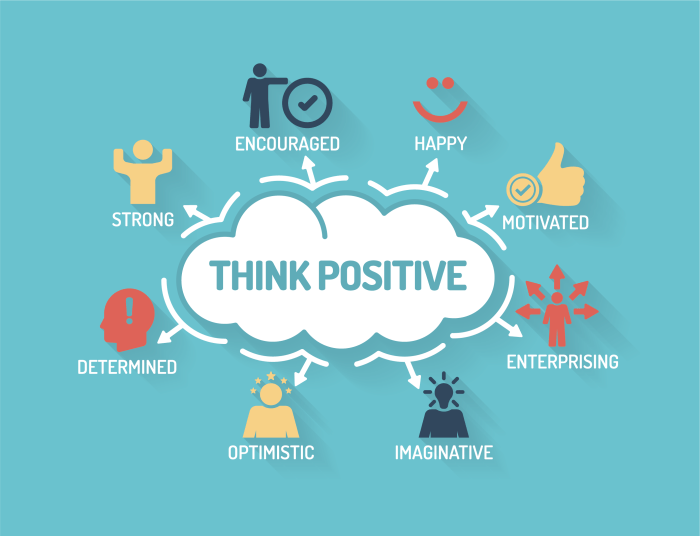
Regular physical activity plays a crucial role in maintaining emotional wellbeing. Exercise has been linked to reduced symptoms of anxiety, depression, and stress, while also promoting overall mental health.
Connection between Physical Activity and Emotional Health
Regular exercise releases endorphins, also known as “feel-good” hormones, which can help improve mood and reduce feelings of anxiety and depression. Physical activity also helps in reducing levels of cortisol, the stress hormone, leading to a more relaxed and positive state of mind.
- Cardiovascular exercises like running, cycling, or swimming can help boost endorphin levels and improve overall mood.
- Strength training exercises such as weight lifting or bodyweight exercises can enhance self-esteem and confidence.
- Yoga and Pilates are great for reducing stress and promoting relaxation through breathing techniques and mindfulness.
Staying Active Contributes to a Positive Mindset
Engaging in regular physical activity not only improves physical health but also contributes to a positive mindset. Exercise can boost self-esteem, increase feelings of accomplishment, and provide a sense of control over one’s life. Additionally, staying active can help individuals better cope with daily stressors and challenges, leading to an overall improved emotional wellbeing.
Cardiovascular Health and Emotional Wellbeing
Maintaining good cardiovascular health is not only important for physical well-being but also plays a crucial role in our emotional well-being. The link between cardiovascular health and emotional well-being is significant, as the state of our heart health can directly impact our mood and overall mental state.
Impact of Managing Cardiovascular Health on Mood
- Regular exercise and a healthy diet can improve cardiovascular health, leading to the release of endorphins that boost mood and reduce feelings of anxiety and depression.
- Lowering cholesterol levels and blood pressure through lifestyle changes can contribute to a more positive outlook on life and increased emotional resilience.
- Reducing the risk of heart disease and stroke through cardiovascular health management can alleviate stress and promote a sense of well-being.
Role of Stress Management in Maintaining a Healthy Heart and Emotional Balance
- Chronic stress can have detrimental effects on cardiovascular health, increasing the risk of heart disease and other related conditions.
- Practicing stress management techniques such as meditation, deep breathing exercises, and mindfulness can help lower stress levels, benefiting both the heart and emotional well-being.
- By reducing stress, individuals can experience improved sleep quality, better mood regulation, and enhanced overall emotional balance.
Healthy Recipes for Emotional Wellbeing
Emotional wellbeing is closely linked to our diet and nutrition. Eating a balanced diet rich in nutrients can have a positive impact on our mood and overall mental health. Here are some nutritious recipes that can support emotional wellbeing:
Green Smoothie Bowl
- Ingredients:
- 1 cup spinach
- 1/2 avocado
- 1/2 banana
- 1/2 cup almond milk
- 1 tbsp chia seeds
- Instructions:
- Blend all ingredients until smooth.
- Pour into a bowl and top with your favorite fruits and nuts.
Salmon and Quinoa Salad
- Ingredients:
- Grilled salmon fillet
- 1 cup cooked quinoa
- Mixed greens
- Cherry tomatoes
- Cucumber slices
- Olive oil and lemon dressing
- Instructions:
- Combine all ingredients in a bowl.
- Drizzle with olive oil and lemon dressing.
These recipes contain ingredients that are known for their mood-boosting properties, such as leafy greens, fatty fish like salmon, and whole grains like quinoa. Incorporating these dishes into your diet can help support your emotional wellbeing and overall health.
Mental Resilience and Emotional Wellbeing
Building mental resilience is crucial for maintaining emotional wellbeing. It involves the ability to adapt to stress, adversity, trauma, or tragedy and bounce back stronger.
Importance of Mental Resilience
Mental resilience plays a vital role in coping with life’s challenges and maintaining overall mental health. It enables individuals to navigate difficult situations, manage stress effectively, and recover from setbacks.
- Developing problem-solving skills: By enhancing problem-solving abilities, individuals can approach challenges with a positive mindset and find effective solutions.
- Building a strong support system: Having a supportive network of family and friends can provide emotional comfort and practical assistance during tough times.
- Practicing self-care: Engaging in activities that promote physical, emotional, and mental well-being, such as regular exercise, healthy eating, and relaxation techniques, can boost resilience.
- Cultivating a positive outlook: Maintaining a positive attitude, practicing gratitude, and focusing on strengths rather than weaknesses can enhance resilience in the face of adversity.
Positive Affirmations for Strengthening Mental Resilience
Positive affirmations are powerful tools that can help reinforce mental resilience and foster a positive mindset. By repeating affirmations daily, individuals can reprogram their subconscious mind and build self-confidence.
“I am capable of overcoming any challenge that comes my way.”
“I trust in my ability to handle difficult situations with grace and resilience.”
“I deserve to feel happy, healthy, and at peace with myself.”
Immune Support and Emotional Wellbeing
Immune function plays a crucial role in our overall health, including our emotional wellbeing. A strong immune system can contribute to better emotional balance and resilience, helping us cope with stress and maintain a positive outlook on life.
Lifestyle Factors for Immune Health and Emotional Balance
- Regular Exercise: Engaging in physical activity can boost immune function and release endorphins, which are known to improve mood and reduce feelings of anxiety and depression.
- Healthy Diet: Eating a balanced diet rich in fruits, vegetables, whole grains, and lean proteins provides essential nutrients that support immune health and overall wellbeing.
- Adequate Sleep: Getting enough quality sleep is essential for a healthy immune system and can help regulate emotions and improve mental resilience.
- Stress Management: Chronic stress can weaken the immune system and negatively impact emotional health. Practicing relaxation techniques, mindfulness, or seeking support from a therapist can help manage stress levels.
- Positive Relationships: Building strong connections with others and maintaining supportive relationships can boost immune function and provide emotional support during challenging times.
- Mind-Body Practices: Activities like yoga, meditation, or deep breathing exercises can help reduce inflammation, improve immune function, and promote emotional wellbeing.
Stress Relief Techniques for Emotional Wellbeing: Emotional Wellbeing And The Significance Of Positive Affirmations
Stress is a common part of life, but finding healthy ways to manage it is crucial for our emotional wellbeing. By incorporating effective stress relief techniques, we can improve our overall mental and emotional health.
Mindfulness Practices
Practicing mindfulness involves being fully present in the moment and paying attention to our thoughts and feelings without judgment. This can help reduce stress and enhance emotional balance.
Deep Breathing Exercises
- Take slow, deep breaths in through your nose, hold for a few seconds, and exhale slowly through your mouth.
- Repeat this process several times to calm your mind and body, reducing stress levels.
Physical Activity
Engaging in regular physical activity releases endorphins, which are known as “feel-good” hormones. This can help alleviate stress and improve emotional wellbeing.
Progressive Muscle Relaxation
Tense each muscle group in your body for a few seconds and then release the tension. Start from your toes and work your way up to your head.
Healthy Sleep Habits
- Establish a consistent sleep schedule and create a relaxing bedtime routine to improve the quality of your sleep.
- Adequate rest is essential for managing stress and promoting emotional wellbeing.
Nutritional Balance and Emotional Wellbeing
Nutrition plays a crucial role in supporting emotional health. The food we eat provides the necessary nutrients that our brain needs to function properly, affecting our mood and emotional stability.
Impact of Balanced Meals on Mood and Emotional Stability
Eating a balanced diet with a variety of fruits, vegetables, whole grains, lean proteins, and healthy fats can have a significant impact on our mood and emotional wellbeing. Nutrient-rich foods provide essential vitamins and minerals that support brain function and regulate neurotransmitters responsible for mood regulation. For example, foods high in omega-3 fatty acids, such as salmon and walnuts, can help reduce symptoms of depression and anxiety.
Tips for Maintaining a Healthy Diet
- Aim to include a variety of colorful fruits and vegetables in your meals to ensure you are getting a range of vitamins and antioxidants.
- Choose whole grains over refined grains to keep your blood sugar levels stable and prevent mood swings.
- Include lean proteins like chicken, fish, tofu, or legumes in your diet to support neurotransmitter function.
- Limit processed foods, sugary drinks, and excessive caffeine intake, as they can negatively impact your mood and energy levels.
- Stay hydrated by drinking plenty of water throughout the day, as dehydration can affect cognitive function and mood.
Popular Questions
How can positive affirmations improve emotional wellbeing?
Positive affirmations help rewire our brains for positivity, boost self-esteem, and cultivate a more optimistic outlook on life.
What are some examples of healthy habits for emotional wellbeing?
Healthy habits like regular exercise, mindfulness practices, adequate sleep, and maintaining social connections can significantly improve emotional health.
How do positive affirmations impact mental resilience?
Positive affirmations act as powerful tools to build mental resilience by fostering a strong sense of self-belief and inner strength to overcome challenges.


More Stories
Top Supplements for Healthy Aging & Cognitive Function
Hydration: Essential Tips for Health in 2024
Full Body Health Screenings: Preparation & Expectations