Best exercises for cardiovascular health
Regular cardiovascular exercises play a crucial role in maintaining overall health by improving heart function, boosting endurance, and reducing the risk of chronic diseases like heart disease and diabetes.
Effective exercises for cardiovascular health
- Running or jogging: Running at a moderate to high intensity helps strengthen the heart and lungs.
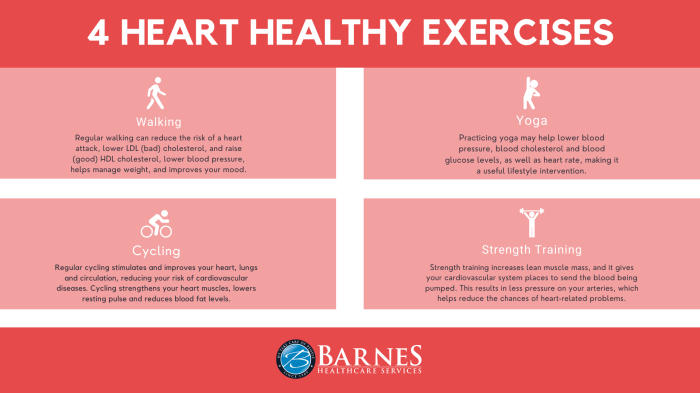
- Cycling: Riding a bike is a low-impact exercise that is gentle on the joints while still providing a great cardiovascular workout.
- Swimming: Swimming engages multiple muscle groups and is an excellent full-body workout that improves cardiovascular health.
- Jump rope: Jumping rope is a simple yet effective way to get the heart rate up and improve cardiovascular endurance.
- Dancing: Whether it’s Zumba, hip-hop, or salsa, dancing is a fun way to boost heart health while burning calories.
Frequency and duration of cardiovascular workouts
It is recommended to engage in cardiovascular exercise for at least 150 minutes per week, spread out over several days. This translates to about 30 minutes of moderate-intensity exercise on most days of the week.
Regularly incorporating these exercises into your routine can help improve cardiovascular health, increase stamina, and enhance overall well-being.
Healthy Habits: Best Exercises For Cardiovascular Health
Maintaining healthy habits is crucial for supporting cardiovascular health and overall well-being. Daily routines that prioritize heart health can significantly reduce the risk of heart disease and other related conditions. Let’s explore some key habits that play a vital role in keeping your heart in top shape.
Sleep
Getting an adequate amount of quality sleep is essential for cardiovascular health. During sleep, your body repairs and rejuvenates itself, including the heart and blood vessels. Aim for 7-9 hours of restful sleep each night to support optimal heart function. Poor sleep quality and duration have been linked to an increased risk of heart disease, so prioritize sleep as part of your daily routine.
Hydration
Staying hydrated is another important aspect of maintaining a healthy heart. Proper hydration helps regulate blood volume and blood pressure, reducing the strain on your heart. Aim to drink at least 8-10 glasses of water a day, and more if you are physically active or in hot weather. Avoid excessive consumption of sugary drinks or caffeinated beverages, as they can negatively impact heart health.
Stress Management
Chronic stress can have a detrimental effect on your heart health, increasing the risk of hypertension, heart disease, and stroke. Implement stress-reducing techniques such as mindfulness, deep breathing exercises, yoga, or spending time in nature. Prioritize activities that help you relax and unwind to protect your heart from the harmful effects of stress.
Creating a Sustainable Routine
To ensure long-term cardiovascular wellness, it is essential to create a sustainable routine that incorporates healthy habits into your daily life. Start by setting realistic goals and gradually incorporating heart-healthy practices into your routine. Consistency is key, so focus on making small, manageable changes that you can maintain over time. Find activities that you enjoy and that align with your lifestyle to ensure lasting success in maintaining a healthy heart.
Emotional Wellbeing
Emotional health plays a crucial role in overall cardiovascular health. The way we feel, think, and handle stress can have a significant impact on our heart health. It is essential to understand the connection between emotional wellbeing and cardiovascular health in order to prioritize both aspects of our well-being.
Impact of Emotional Health on Cardiovascular Health
Emotional health is closely linked to cardiovascular health, as chronic stress, anxiety, and negative emotions can contribute to the development of heart disease. When we experience stress or anxiety, our body releases stress hormones like cortisol and adrenaline, which can increase blood pressure, heart rate, and blood sugar levels. Over time, these physiological responses can damage the heart and blood vessels, leading to conditions like hypertension, heart attack, and stroke.
- Chronic stress and anxiety can lead to inflammation in the body, which is a risk factor for heart disease.
- Depression has been associated with an increased risk of heart disease and can worsen outcomes for individuals with existing heart conditions.
- Positive emotions like happiness, gratitude, and optimism have been linked to better heart health and overall well-being.
Strategies for Improving Emotional Wellbeing
Improving emotional wellbeing can have a positive impact on heart health and overall quality of life. Here are some strategies to enhance emotional health and support a healthy heart:
- Practice stress-reducing activities like meditation, deep breathing exercises, yoga, or mindfulness to help calm the mind and body.
- Engage in regular physical activity, which can help reduce stress and improve mood through the release of endorphins.
- Maintain strong social connections with friends and family to provide emotional support and reduce feelings of loneliness or isolation.
- Seek professional help if experiencing persistent feelings of anxiety, depression, or overwhelming stress to address underlying emotional issues.
- Practice self-care activities like adequate sleep, healthy eating, and hobbies that bring joy and relaxation to your daily routine.
Healthy Aging
Regular cardiovascular exercises play a crucial role in promoting healthy aging by supporting heart health, maintaining overall fitness, and reducing the risk of chronic diseases. As we age, it becomes even more essential to prioritize physical activity to ensure a good quality of life and well-being.
Modifying Workout Routines for Older Adults
- Start with low-impact exercises such as walking, swimming, or cycling to reduce stress on joints and minimize the risk of injury.
- Focus on flexibility and balance exercises to improve mobility and prevent falls, which are common in older adults.
- Include strength training using light weights or resistance bands to maintain muscle mass and bone density, which tend to decline with age.
- Listen to your body and adjust the intensity and duration of workouts as needed to avoid overexertion and fatigue.
Importance of Staying Active for Heart Health
Regular physical activity, including cardiovascular exercises, helps to keep the heart strong and healthy, reducing the risk of heart disease, high blood pressure, and stroke. By staying active as we age, we can improve circulation, lower cholesterol levels, and enhance overall cardiovascular function. It is never too late to start exercising and reap the benefits of a healthy heart, regardless of age.
Active Lifestyle
Best exercises for cardiovascular health – Having an active lifestyle plays a crucial role in maintaining cardiovascular health. Regular physical activity not only strengthens the heart and improves circulation but also helps in managing weight, reducing stress, and boosting overall well-being.
Benefits of Incorporating Physical Activity
- Improves heart health by increasing heart rate and strengthening the cardiovascular system.
- Enhances blood circulation, ensuring oxygen and nutrients reach all parts of the body efficiently.
- Helps in managing weight and reducing the risk of obesity, a major factor in heart disease.
- Reduces stress and anxiety, promoting mental health and emotional well-being.
Simple Ways to Stay Active Throughout the Day
- Take short walks during breaks at work or at home.
- Use the stairs instead of the elevator whenever possible.
- Engage in household chores like cleaning, gardening, or washing the car.
- Participate in active hobbies like dancing, swimming, or biking.
Correlation Between Active Lifestyle and Reduced Risk of Heart Disease
An active lifestyle significantly reduces the risk of heart disease by improving heart health, regulating blood pressure, and maintaining a healthy weight. Studies have shown that individuals who consistently engage in physical activity are less likely to develop cardiovascular issues compared to those with sedentary lifestyles.
Healthy Recipes
When it comes to supporting cardiovascular health, the impact of nutrition cannot be overstated. Eating a well-balanced diet plays a crucial role in promoting heart health and overall wellbeing. By incorporating heart-healthy recipes into your meals, you can take a proactive approach towards maintaining a healthy heart.
Heart-Healthy Recipe Ideas
- Grilled Salmon with Lemon and Herbs: Rich in omega-3 fatty acids, salmon is a great choice for heart health. Pair it with fresh herbs and a squeeze of lemon for a flavorful and nutritious meal.
- Quinoa and Vegetable Stir-Fry: Quinoa is a versatile grain that is packed with protein and fiber. Combine it with a variety of colorful vegetables for a nutrient-dense stir-fry that is both delicious and heart-healthy.
- Berry and Kale Smoothie: Berries are high in antioxidants, while kale is a nutrient powerhouse. Blend them together with some Greek yogurt for a refreshing smoothie that is perfect for a quick and nutritious breakfast or snack.
Tips for Creating Balanced Meals
- Include a variety of fruits and vegetables in your meals to ensure you are getting a wide range of nutrients.
- Opt for whole grains such as brown rice, quinoa, and whole wheat pasta to increase fiber intake and promote heart health.
- Limit saturated fats and trans fats by choosing lean proteins like poultry, fish, and legumes.
- Reduce added sugars by opting for natural sweeteners like honey or maple syrup, and limit processed foods and sugary beverages.
Mental Resilience
Mental resilience plays a crucial role in supporting cardiovascular health and overall wellbeing. The ability to bounce back from challenges, setbacks, and stress can have a positive impact on heart health and reduce the risk of heart disease.
Relationship between Mindset, Attitude, and Heart Health
Having a positive mindset and attitude can lead to lower levels of stress, which in turn can reduce the risk of high blood pressure, heart disease, and other cardiovascular issues. Studies have shown that individuals with a more resilient mindset are less likely to experience heart-related problems.
- Practice gratitude: Being grateful for the positive aspects of your life can help shift your mindset towards a more positive outlook.
- Develop coping mechanisms: Finding healthy ways to cope with stress, such as exercise, meditation, or talking to a therapist, can help build mental resilience.
- Stay connected: Building a strong support system of friends and family can provide emotional support during challenging times.
Strategies for Building Mental Resilience
Building mental resilience is an ongoing process that requires practice and dedication. By incorporating the following strategies into your daily routine, you can strengthen your ability to overcome obstacles and maintain a healthy mindset.
- Set realistic goals: Break down larger goals into smaller, achievable steps to build confidence and resilience.
- Practice self-care: Prioritize activities that bring you joy and relaxation, such as hobbies, exercise, or spending time in nature.
- Challenge negative thoughts: Reframe negative self-talk into more positive and empowering statements to boost resilience.
Immune Support
Maintaining a strong immune system is essential for overall health, including cardiovascular wellness. The immune system plays a crucial role in protecting the body against infections and diseases, including those that can impact heart health.
Connection between Immune Health and Cardiovascular Health
A strong immune system can help reduce inflammation in the body, which is a key factor in the development of heart disease. Inflammation can lead to the buildup of plaque in the arteries, increasing the risk of heart attacks and strokes. By supporting immune health, you can also support your cardiovascular system.
Benefits of a Strong Immune System for Heart Health
– Reduced risk of infections that can strain the heart
– Lower levels of inflammation in the body
– Better overall health and wellness to support heart function
Tips for Boosting Immunity to Support Cardiovascular Wellness
- Aim for a balanced diet rich in fruits, vegetables, whole grains, and lean proteins to provide essential vitamins and minerals for immune function.
- Stay physically active to help reduce inflammation and support overall health.
- Get an adequate amount of sleep each night to allow your body to rest and repair, essential for immune function.
- Manage stress through relaxation techniques like meditation or yoga, as chronic stress can weaken the immune system.
- Stay hydrated by drinking plenty of water throughout the day to support immune function and overall health.
- Avoid smoking and limit alcohol consumption, as these habits can weaken the immune system and harm heart health.
Stress Relief
Stress management is crucial for maintaining good cardiovascular health. High levels of stress can have a negative impact on the heart, leading to various health issues. Implementing effective stress-relief techniques can significantly reduce these risks and promote overall wellness.
Effective Stress-Relief Techniques
- Practice deep breathing exercises: Deep breathing can help calm the mind and reduce stress levels. Take slow, deep breaths in through your nose and out through your mouth.
- Engage in physical activity: Exercise is a great way to relieve stress and improve heart health. Aim for at least 30 minutes of moderate exercise daily.
- Try meditation or mindfulness: These practices can help you focus on the present moment and reduce anxiety and stress.
- Spend time in nature: Connecting with nature can have a calming effect on the mind and body. Take a walk in the park or spend time in your garden.
Importance of Managing Stress
Stress can significantly impact cardiovascular health by increasing blood pressure, heart rate, and the risk of heart disease. By managing stress effectively, you can reduce these risks and improve overall heart health.
Incorporating Stress-Relief Practices into Daily Life
- Schedule regular relaxation time: Set aside time each day to relax and unwind. This could include reading a book, taking a bath, or practicing yoga.
- Avoid overcommitting: Learn to say no to extra responsibilities or tasks that may cause unnecessary stress.
- Stay connected with loved ones: Spending time with friends and family can provide emotional support and help reduce stress levels.
- Get enough sleep: Adequate rest is essential for managing stress. Aim for 7-8 hours of quality sleep each night.
Nutritional Balance
Maintaining a balanced diet plays a crucial role in supporting cardiovascular health. A diet rich in essential nutrients can help reduce the risk of heart disease and promote overall well-being. Here are some tips for achieving nutritional balance to support heart health:
Key Nutrients for Cardiovascular Wellness, Best exercises for cardiovascular health
- Omega-3 fatty acids: Found in fatty fish like salmon, mackerel, and sardines, as well as flaxseeds and walnuts, omega-3s help reduce inflammation and support heart health.
- Antioxidants: Berries, dark chocolate, and vegetables like spinach and kale are rich in antioxidants that help protect the heart from damage caused by free radicals.
- Fiber: Foods like whole grains, legumes, fruits, and vegetables are excellent sources of fiber, which can help lower cholesterol levels and improve heart health.
- Potassium: Bananas, sweet potatoes, and leafy greens are high in potassium, a mineral that helps regulate blood pressure and support heart function.
It’s important to include a variety of nutrient-dense foods in your diet to ensure you’re getting all the essential nutrients for optimal heart health.
FAQ Section
What are the best exercises for cardiovascular health?
The best exercises include running, cycling, swimming, and high-intensity interval training (HIIT).
How often should I do cardiovascular workouts?
It is recommended to aim for at least 150 minutes of moderate-intensity exercise per week, or 75 minutes of vigorous exercise.
What role does emotional well-being play in cardiovascular health?
Emotional health can impact cardiovascular health, with stress and anxiety potentially affecting heart health. Strategies to improve emotional well-being can support a healthy heart.
How can I incorporate physical activity into my daily life?
You can stay active by taking the stairs, walking during breaks, or engaging in activities like dancing or gardening.
What foods are beneficial for cardiovascular wellness?
Foods rich in omega-3 fatty acids, fruits, vegetables, whole grains, and lean proteins can promote heart health.


More Stories
Immune support smoothies: Boosting Your Health with Delicious Recipes
Immune support drinks for better health: Enhancing wellness through flavorful beverages