Importance of Mental Resilience in the Workplace
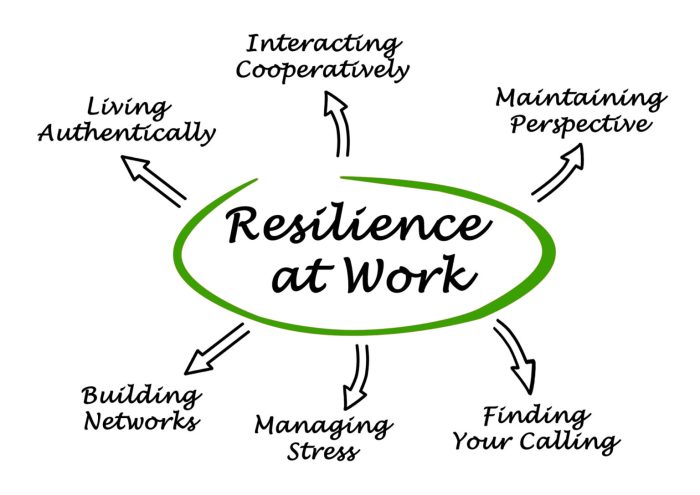
Importance of mental resilience in the workplace – Mental resilience is the ability to adapt and bounce back from challenges and setbacks in a professional setting. It plays a crucial role in maintaining well-being and productivity in the workplace.
Enhanced Productivity and Job Performance
Mental resilience enables employees to stay focused and motivated, even in the face of adversity. When individuals can effectively manage stress and pressure, they are more likely to perform well and meet deadlines consistently.
Impact on Employee Well-being and Morale
Employees with high levels of mental resilience are less likely to experience burnout and are more equipped to handle the demands of their job. This leads to improved overall well-being and higher morale within the workplace.
Strategies to Promote Mental Resilience
- Encouraging open communication and providing support networks for employees to discuss challenges.
- Offering training programs on stress management and coping mechanisms.
- Promoting a healthy work-life balance to prevent overwhelm and fatigue.
- Recognizing and celebrating small achievements to boost confidence and motivation.
Healthy Habits
Incorporating healthy habits into our daily routine is essential for maintaining overall well-being, especially in a fast-paced work environment. These habits not only benefit our physical health but also play a significant role in improving mental resilience at work.
Regular Exercise
Regular exercise is crucial for both physical and mental health. It helps reduce stress, improve mood, and boost overall energy levels. Whether it’s a quick morning workout or a lunchtime walk, incorporating exercise into your daily routine can have a positive impact on your mental resilience at work.
Healthy Eating Habits
Eating a balanced diet rich in nutrients is key to maintaining mental clarity and focus. Avoiding sugary snacks and opting for whole foods can help stabilize mood and energy levels throughout the day. By fueling your body with the right nutrients, you are better equipped to handle the challenges that come your way at work.
Adequate Sleep
Sleep plays a crucial role in mental resilience. Lack of sleep can lead to irritability, poor concentration, and increased stress levels. Establishing a consistent sleep schedule and creating a relaxing bedtime routine can help improve the quality of your sleep, ensuring you are well-rested and ready to tackle the day ahead.
Mindfulness and Stress Management Techniques
Practicing mindfulness and stress management techniques such as deep breathing, meditation, or yoga can help reduce anxiety and increase resilience to workplace stressors. Taking short breaks throughout the day to practice these techniques can help you stay calm and focused in challenging situations.
Emotional Wellbeing
Emotional wellbeing plays a crucial role in the overall mental health of individuals, particularly in a professional setting. It is important to differentiate between mental resilience and emotional well-being to understand how they impact workplace satisfaction.
Difference between Mental Resilience and Emotional Well-being
Mental resilience refers to the ability to bounce back from challenges and setbacks, while emotional well-being focuses on managing and understanding one’s emotions effectively. While mental resilience helps individuals cope with stress and adversity, emotional well-being involves recognizing and regulating emotions to maintain a healthy state of mind.
Connection between Emotional Well-being and Workplace Satisfaction
- Employees with high emotional well-being are more likely to feel satisfied and engaged at work, leading to higher productivity and better relationships with colleagues.
- Positive emotional well-being can create a supportive work environment where individuals feel valued and motivated to perform their best.
- On the other hand, poor emotional well-being can result in burnout, conflicts, and decreased job satisfaction, impacting overall performance.
Techniques to Manage Emotions Effectively in a Professional Environment
- Practice mindfulness and self-awareness to recognize and understand your emotions before reacting impulsively.
- Develop healthy coping mechanisms such as deep breathing exercises, taking short breaks, or seeking support from colleagues or supervisors.
- Utilize emotional intelligence by empathizing with others, communicating effectively, and resolving conflicts constructively.
Importance of Seeking Support for Emotional Well-being at Work
It is crucial for individuals to seek support for their emotional well-being in the workplace to prevent issues from escalating and affecting their mental health. This support can come in the form of Employee Assistance Programs, counseling services, or open communication with supervisors or HR departments. By addressing emotional concerns proactively, employees can maintain a positive work environment and improve their overall well-being.
Healthy Aging
As employees age, maintaining mental resilience becomes increasingly important in the workplace. It can impact various aspects of the aging process and overall wellbeing.
Impact of Mental Resilience on Aging
Mental resilience plays a crucial role in how individuals navigate the challenges that come with aging in the workplace. It enables employees to adapt to changes, bounce back from setbacks, and stay motivated and engaged in their work.
Positive Mindset for Healthy Aging
- Practice gratitude: Cultivating a positive outlook by focusing on things to be grateful for can help improve mental resilience.
- Stay active: Regular physical activity not only benefits physical health but also positively impacts mental wellbeing, contributing to a positive mindset.
- Engage in lifelong learning: Challenging the mind through continuous learning and skill development can enhance cognitive abilities and resilience.
Maintaining Mental Sharpness and Resilience
- Stay social: Maintaining connections with colleagues and friends can provide support and combat feelings of isolation or loneliness.
- Get enough sleep: Quality sleep is essential for cognitive function and emotional wellbeing, crucial for maintaining mental sharpness.
- Practice stress management: Developing healthy coping mechanisms for stress can prevent burnout and support mental resilience.
Link Between Healthy Aging and Productivity
Employees who prioritize their mental resilience and wellbeing as they age are likely to remain productive and engaged in the workplace. By taking care of their mental health, they can contribute effectively to the success of the organization and maintain a high level of performance.
Active Lifestyle
An active lifestyle plays a crucial role in enhancing mental resilience in the workplace by promoting physical well-being, reducing stress levels, and improving overall mood and productivity.
Benefits of an Active Lifestyle, Importance of mental resilience in the workplace
- Enhanced cognitive function and focus
- Increased energy levels and alertness
- Boosted mood and reduced feelings of anxiety
- Improved physical health, reducing the risk of chronic diseases
Incorporating Physical Activity into a Busy Work Schedule
Despite a hectic work schedule, there are various ways to include physical activity:
- Take short walking breaks throughout the day
- Use the stairs instead of the elevator
- Schedule workout sessions before or after work
- Participate in active meetings or walking discussions
Desk Exercises and Stretches for an Active Lifestyle at Work
Simple exercises and stretches can be done at your desk to promote physical activity:
- Neck rolls and shoulder shrugs to release tension
- Leg lifts and ankle circles to improve circulation
- Seated twists and side stretches to reduce stiffness
- Desk push-ups and squats for a quick workout
Connection between Physical Well-being and Mental Resilience
Physical well-being is closely linked to mental resilience as it helps in the release of endorphins, the body’s natural mood elevators. Additionally, regular physical activity can improve sleep quality, reduce stress, and enhance overall mental health.
Cardiovascular Health
Maintaining good cardiovascular health is crucial for overall well-being, including mental resilience in the workplace. A healthy heart and circulatory system can help manage stress, improve focus, and enhance productivity.
Relationship between Cardiovascular Health and Mental Resilience
Poor cardiovascular health can lead to reduced blood flow to the brain, affecting cognitive function and emotional regulation. This can impact an individual’s ability to cope with stress and bounce back from challenges. By contrast, a strong heart and healthy circulation support brain function, promoting mental resilience.
Impact of Exercise and Nutrition
Regular exercise and a balanced diet play a significant role in maintaining both cardiovascular health and mental well-being. Physical activity strengthens the heart, improves circulation, and releases endorphins that elevate mood and reduce stress. Nutrient-rich foods support heart health and provide essential nutrients for optimal brain function, contributing to mental resilience.
Tips for Maintaining a Heart-Healthy Lifestyle
– Incorporate regular exercise into your daily routine, even during busy workdays. Take short walks, use stairs instead of elevators, or try desk exercises.
– Choose heart-healthy foods like fruits, vegetables, whole grains, and lean proteins. Avoid excessive intake of processed foods, sugar, and saturated fats.
– Stay hydrated throughout the day to support circulation and overall health.
– Manage stress through relaxation techniques, mindfulness, or hobbies that bring you joy.
– Get enough sleep to allow your body and mind to recharge for optimal functioning.
Importance of Regular Health Check-ups
Regular health check-ups are essential for monitoring cardiovascular health and overall well-being. Through routine screenings, potential risk factors can be identified early, allowing for timely interventions and preventive measures. By staying proactive about your health, you can maintain a strong foundation for mental resilience in the workplace.
Healthy Recipes
When it comes to supporting mental resilience and productivity at work, incorporating nutritious recipes into your diet can make a significant difference. Not only do these recipes provide essential nutrients for brain function, but they also help maintain overall health and well-being.
Meal Prep Tips for Busy Professionals
- Plan your meals for the week ahead to ensure you have all the necessary ingredients on hand.
- Prepare large batches of meals that can be easily reheated throughout the week.
- Opt for simple recipes that require minimal cooking time, such as salads, stir-fries, or smoothies.
- Invest in quality storage containers to keep your prepped meals fresh and easily accessible.
Impact of Diet on Mental Clarity and Focus
- Consuming a diet rich in fruits, vegetables, whole grains, and lean proteins can enhance cognitive function and focus.
- Avoiding processed foods, sugary snacks, and excessive caffeine can help prevent energy crashes and brain fog.
- Stay hydrated by drinking plenty of water throughout the day to support optimal brain function.
- Incorporate brain-boosting foods like fatty fish, nuts, seeds, and dark leafy greens into your meals for improved mental clarity.
Connection Between Food Choices and Emotional Well-being
- Studies have shown that a balanced diet can positively impact mood and emotional well-being in the workplace.
- Eating regular meals rich in nutrients can help stabilize blood sugar levels and prevent mood swings.
- Foods high in antioxidants, such as berries, dark chocolate, and green tea, can reduce stress and improve overall emotional resilience.
- Avoiding excessive alcohol consumption and sugary treats can help maintain emotional stability and reduce feelings of anxiety or irritability.
Immune Support
Mental resilience plays a crucial role in bolstering the immune system, especially in a work environment where stress levels can be high.
Link Between Stress Levels and Immune Function
Chronic stress can weaken the immune system, making individuals more susceptible to illnesses and infections. High-stress levels can lead to increased inflammation in the body, which can compromise immune function.
Immune-Boosting Foods and Habits for the Workplace
- Include foods rich in vitamin C, such as citrus fruits, bell peppers, and strawberries, to support immune health.
- Integrate probiotic-rich foods like yogurt and kefir into your diet to promote a healthy gut, which is essential for a strong immune system.
- Stay hydrated throughout the day by drinking plenty of water to flush out toxins and support immune function.
- Practice good hygiene habits, such as washing hands frequently and keeping your work area clean, to prevent the spread of germs.
Tips for Creating a Healthy Work Environment
- Encourage open communication and provide resources for employees to manage stress effectively.
- Promote regular physical activity during breaks to reduce stress levels and boost overall health.
- Create a supportive and positive work culture that values employee well-being and encourages work-life balance.
- Offer healthy snacks and meals in the workplace to support immune function and overall health.
Stress Relief: Importance Of Mental Resilience In The Workplace
Stress is a common factor in the workplace that can significantly impact mental well-being and productivity. Exploring effective stress relief techniques is essential to enhance mental resilience and overall job satisfaction.
Mindfulness Practices
- Engage in deep breathing exercises to calm the mind and reduce stress levels.
- Practice meditation for a few minutes each day to promote relaxation and mental clarity.
- Use guided imagery techniques to visualize a peaceful and stress-free environment.
Work-Life Balance
Striking a balance between work and personal life is crucial in managing stress and building resilience. It is important to set boundaries and prioritize self-care to prevent burnout.
Creating a Stress-Free Workspace
- Organize your workspace to promote efficiency and reduce clutter.
- Incorporate plants or natural elements to create a calming environment.
- Take regular breaks to stretch, walk, or engage in brief relaxation exercises.
- Include a variety of colorful fruits and vegetables to boost antioxidant intake and protect brain cells from oxidative stress.
- Opt for whole grains like quinoa, brown rice, and oats to provide a steady source of energy and support brain health.
- Incorporate lean proteins such as poultry, fish, beans, and legumes to aid in neurotransmitter production and cognitive function.
- Choose healthy fats like avocados, nuts, seeds, and olive oil to support brain structure and function.
- Avoid distractions while eating, such as watching TV or using electronic devices, to fully appreciate and enjoy your meals.
- Eat slowly, chew your food thoroughly, and listen to your body’s hunger and fullness cues to prevent overeating.
- Choose nutrient-dense foods that nourish your body and mind, and savor each bite to enhance satisfaction and contentment.
- Practice gratitude for the food on your plate, the effort that went into preparing it, and the nourishment it provides for your overall well-being.
Nutritional Balance
Maintaining a proper balance of nutrients through diet plays a crucial role in enhancing mental resilience in the workplace. By fueling our bodies with the right combination of vitamins, minerals, and macronutrients, we can support cognitive function, focus, and overall well-being.
Supporting Cognitive Function with Balanced Meals
Creating meals that are rich in whole foods such as fruits, vegetables, whole grains, lean proteins, and healthy fats can provide the essential nutrients needed for optimal brain function. Incorporating foods high in omega-3 fatty acids, antioxidants, and vitamins like B12 and D can help improve memory, concentration, and mental clarity.
Impact of Hydration on Mental Clarity
Staying hydrated is essential for maintaining mental clarity and focus at work. Dehydration can lead to cognitive decline, fatigue, and decreased productivity. Drinking an adequate amount of water throughout the day can help improve cognitive performance, mood, and overall brain function.
Remember to sip water regularly and aim to consume at least 8-10 glasses of water daily to stay hydrated and support mental well-being.
Mindful Eating Practices for Well-being
Practicing mindful eating involves paying attention to what, when, and how we eat, which can positively impact our overall well-being. By being present during meals, focusing on the taste, texture, and experience of eating, we can improve digestion, reduce stress, and enhance our relationship with food.
FAQ Explained
How can mental resilience impact job performance?
Mental resilience can enhance job performance by helping individuals navigate challenges, setbacks, and high-pressure situations effectively.
What are some examples of strategies to promote mental resilience in the workplace?
Strategies like mindfulness practices, work-life balance, and seeking emotional support can promote mental resilience among employees.
Is there a connection between physical well-being and mental resilience?
Yes, maintaining an active lifestyle and good cardiovascular health can positively impact mental resilience in the workplace.


More Stories