Mental Resilience and Emotional Intelligence
Understanding the concepts of mental resilience and emotional intelligence is crucial for navigating challenges effectively.
Mental Resilience
Mental resilience refers to the ability to adapt and bounce back from difficult situations. It involves maintaining a positive outlook, seeking solutions, and persevering in the face of adversity. This quality is important because it helps individuals cope with stress, setbacks, and failures without becoming overwhelmed.
Emotional Intelligence, Mental resilience and emotional intelligence
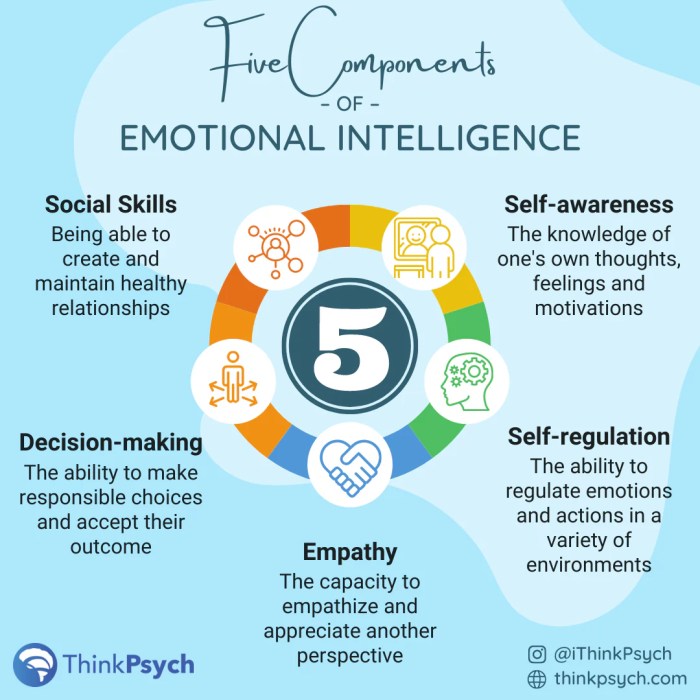
Emotional intelligence is the ability to recognize, understand, and manage one’s own emotions as well as those of others. It plays a key role in decision-making by allowing individuals to consider emotions alongside logic. By being aware of and controlling their emotions, people can make more thoughtful and rational choices.
Comparison and Contrast
- Mental resilience focuses on one’s ability to handle challenges and setbacks, while emotional intelligence centers on understanding and managing emotions.
- While mental resilience helps individuals persevere in the face of adversity, emotional intelligence enables them to make decisions that are not solely based on logic but also take emotions into account.
- Both mental resilience and emotional intelligence are essential in dealing with stress, but they approach it from different angles. Mental resilience helps individuals bounce back from stressful situations, while emotional intelligence helps them navigate and manage emotions that may arise during stressful times.
Healthy Habits
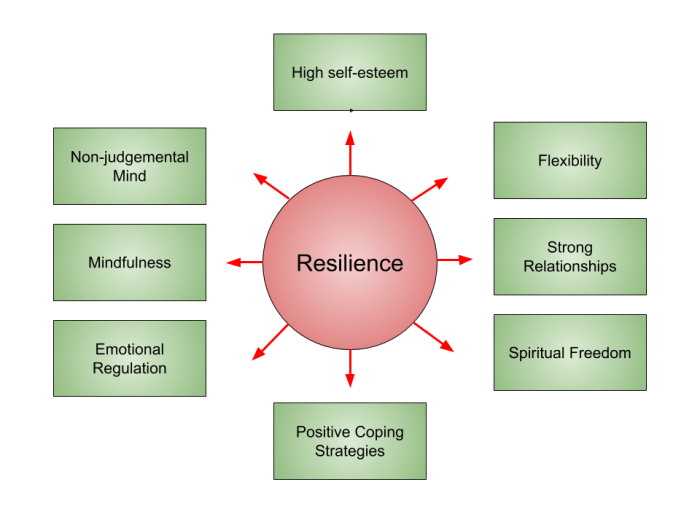
Developing and maintaining daily healthy habits is crucial for promoting mental well-being and emotional resilience.
Significance of Healthy Habits
Cultivating healthy habits such as regular exercise, balanced nutrition, quality sleep, and mindfulness practices can significantly impact mental health. These habits contribute to improved mood, reduced stress levels, enhanced cognitive function, and overall emotional well-being.
Relationship with Emotional Resilience
- Regular physical activity releases endorphins, which are natural mood boosters and stress relievers, helping to build emotional resilience.
- A well-balanced diet provides essential nutrients that support brain function and regulate mood, contributing to better emotional regulation in challenging situations.
- Prioritizing quality sleep allows the brain to recharge and process emotions effectively, enhancing resilience against stress and adversity.
- Practicing mindfulness and relaxation techniques can help individuals stay present, manage emotions, and respond calmly to difficult circumstances, fostering emotional resilience.
Tips for Developing Healthy Habits
- Start small and gradually incorporate healthy habits into your daily routine to make lasting changes.
- Set specific, achievable goals related to exercise, nutrition, sleep, and self-care to stay motivated and track progress.
- Establish a supportive environment by surrounding yourself with individuals who encourage and participate in healthy habits.
- Stay consistent and prioritize self-care by scheduling time for physical activity, meal preparation, relaxation, and adequate rest.
- Monitor your emotional well-being and adjust your habits as needed to ensure they continue to benefit your mental resilience.
Emotional Wellbeing: Mental Resilience And Emotional Intelligence
Emotional wellbeing is a crucial aspect of overall mental health, as it encompasses our ability to understand, manage, and express our emotions in a healthy way. When our emotional wellbeing is in balance, it can positively impact our mental resilience, cognitive function, and overall quality of life.
Enhancing Emotional Intelligence
Emotional intelligence plays a key role in promoting emotional wellbeing. Here are some strategies to enhance emotional intelligence for improved wellbeing:
- Practice self-awareness: Take time to reflect on your emotions, thoughts, and behaviors to better understand yourself.
- Develop empathy: Try to understand and connect with the emotions of others to build stronger relationships and improve communication.
- Manage stress effectively: Learn how to cope with stress in a healthy way by practicing relaxation techniques, mindfulness, or seeking support when needed.
- Improve emotional regulation: Work on controlling your reactions to emotions and finding healthy ways to express them, such as through journaling or talking to a trusted friend.
- Enhance social skills: Build positive relationships by listening actively, communicating clearly, and resolving conflicts peacefully.
Impact on Relationships and Social Interactions
Emotional intelligence can greatly influence our relationships and social interactions. Individuals with high emotional intelligence tend to have more fulfilling and harmonious relationships due to their ability to understand, empathize, and communicate effectively with others. They can navigate conflicts and challenges in a constructive way, leading to stronger connections and a supportive social network.
Healthy Aging
Maintaining mental sharpness and emotional balance is crucial as we age. Mental resilience and emotional intelligence play a significant role in positively impacting the aging process, allowing individuals to navigate the challenges that come with getting older.
Impact of Mental Resilience and Emotional Intelligence
- Individuals with high levels of mental resilience and emotional intelligence tend to have better cognitive function as they age.
- These traits can help in coping with stress, loss, and other difficulties that are common in the aging process.
- Having a positive outlook on life can lead to better overall health and well-being in older age.
Tips for Healthy Aging
- Engage in activities that stimulate the mind, such as puzzles, reading, or learning new skills.
- Stay socially connected with friends and family to maintain emotional well-being.
- Practice mindfulness and relaxation techniques to manage stress and promote emotional balance.
Role of Emotional Intelligence in Aging
- Emotional intelligence helps in understanding and managing emotions effectively, leading to healthier relationships and improved mental well-being in older age.
- Individuals with high emotional intelligence are better equipped to handle life transitions and maintain a positive perspective on aging.
- Developing emotional intelligence through self-awareness and empathy can enhance overall quality of life as one grows older.
Active Lifestyle
An active lifestyle plays a crucial role in promoting mental resilience and emotional well-being. Engaging in physical activities has numerous benefits that can positively impact our overall mental health and emotional intelligence.
Benefits of an Active Lifestyle
- Reduces stress and anxiety levels
- Improves mood and boosts self-esteem
- Enhances cognitive function and focus
- Increases energy levels and promotes better sleep
Enhancing Emotional Intelligence through Physical Activity
Regular exercise not only benefits our physical health but also plays a significant role in enhancing emotional intelligence. Physical activities help in:
- Regulating emotions and managing stress effectively
- Improving social interactions and empathy towards others
- Enhancing self-awareness and emotional control
Activities for Mental Well-being and Emotional Balance
There are various activities that promote mental well-being and emotional balance. Some examples include:
- Yoga and meditation for relaxation and stress relief
- Aerobic exercises like running or dancing to boost mood
- Outdoor activities such as hiking or gardening for a sense of connection with nature
- Team sports to enhance social skills and build relationships
Cardiovascular Health
Maintaining a healthy heart is crucial for overall well-being, and it is closely linked to emotional resilience. Research has shown that individuals with strong emotional intelligence are better equipped to handle stress, which in turn has a positive impact on their cardiovascular health.
Impact of Stress on Heart Health
Stress can have detrimental effects on the heart, leading to conditions like high blood pressure, heart disease, and even heart attacks. When we experience stress, our body releases hormones like cortisol and adrenaline, which can increase heart rate and blood pressure. Prolonged exposure to stress can contribute to the development of cardiovascular issues.
Ways to Manage Stress Effectively
– Practice mindfulness and meditation to reduce stress levels.
– Engage in regular physical activity to release endorphins and improve heart health.
– Maintain a healthy diet rich in fruits, vegetables, and whole grains to support heart function.
– Prioritize sleep to allow the body to rest and recover from daily stressors.
– Seek support from friends, family, or a therapist to cope with stress and build resilience.
Tips for Maintaining a Healthy Heart through Emotional Well-being
– Cultivate positive relationships and social connections to reduce feelings of isolation.
– Practice gratitude and focus on the positive aspects of life to improve emotional well-being.
– Set boundaries and learn to say no to avoid overwhelming yourself with responsibilities.
– Engage in activities that bring joy and fulfillment to your life to reduce stress and boost heart health.
Healthy Recipes
Preparing nutritious meals is essential for supporting mental resilience and emotional balance. The food we eat can greatly impact our overall well-being, including our emotional health. By incorporating healthy recipes into our diet, we can promote a healthy mind and emotional stability.
Nutritious Breakfast Ideas
- Quinoa Breakfast Bowl: Cooked quinoa topped with fresh berries, nuts, and a drizzle of honey for a nutritious and energizing start to the day.
- Avocado Toast with Eggs: Whole grain toast topped with mashed avocado and a poached egg, sprinkled with chili flakes for added flavor and nutrients.
- Greek Yogurt Parfait: Layered Greek yogurt with granola, mixed berries, and a drizzle of honey for a protein-packed breakfast option.
Hearty Lunch Options
- Grilled Chicken Salad: Mixed greens topped with grilled chicken, cherry tomatoes, cucumber, and a balsamic vinaigrette dressing for a satisfying and nutritious lunch.
- Vegetable Stir-Fry: Colorful stir-fried veggies like bell peppers, broccoli, and snap peas served over brown rice for a wholesome and flavorful meal.
- Quinoa Stuffed Bell Peppers: Roasted bell peppers filled with a mixture of quinoa, black beans, corn, and spices, baked to perfection for a nutrient-rich lunch option.
Comforting Dinner Recipes
- Salmon with Roasted Vegetables: Baked salmon fillets served with a side of roasted seasonal vegetables, such as sweet potatoes, carrots, and Brussels sprouts, for a delicious and heart-healthy dinner.
- Vegan Lentil Soup: Hearty lentil soup loaded with vegetables, herbs, and spices, perfect for a cozy and nutritious dinner option.
- Turkey Chili: Lean ground turkey simmered with kidney beans, tomatoes, and a blend of chili spices for a warming and protein-packed meal.
Immune Support
Boosting your immune system is essential for overall health and well-being. Let’s explore how mental resilience and emotional intelligence play a crucial role in strengthening your immune system.
Link Between Stress, Immunity, and Emotional Well-being
Chronic stress can weaken the immune system, making you more susceptible to illnesses. When you are emotionally resilient, you are better equipped to manage stress effectively, reducing its negative impact on your immune system.
Tips to Strengthen Immune System Through Emotional Resilience Practices
- Acknowledge and accept your emotions, allowing yourself to experience them without judgment.
- Practice mindfulness and relaxation techniques to reduce stress levels.
- Cultivate positive relationships and social connections for emotional support.
- Engage in regular physical activity to boost both your physical and mental health.
- Ensure you get enough quality sleep to support your immune system’s function.
Stress Relief
Stress relief is crucial for enhancing mental resilience and maintaining emotional wellbeing. By effectively managing and reducing stress, individuals can improve their overall quality of life.
Effective Stress Relief Techniques
- Practice mindfulness and meditation to stay present and calm the mind.
- Engage in regular physical exercise to release endorphins and reduce stress hormones.
- Establish a healthy work-life balance to prevent burnout and overwhelm.
- Connect with loved ones for social support and a sense of belonging.
- Engage in hobbies and activities that bring joy and relaxation.
Role of Emotional Intelligence in Stress Management
- Emotional intelligence helps individuals recognize and regulate their emotions during stressful situations.
- By developing emotional intelligence, individuals can respond to stress in a more constructive and adaptive manner.
- Empathy and understanding towards oneself and others play a key role in reducing stress levels.
Strategies for Daily Stress-Relief Practices
- Start the day with a mindfulness practice or deep breathing exercises.
- Take short breaks throughout the day to reset and recharge.
- Incorporate physical activity into your daily routine for stress management.
- Practice gratitude and positive affirmations to shift focus from stressors to blessings.
- Create a bedtime routine to promote relaxation and quality sleep.
Nutritional Balance
The importance of maintaining a balanced diet cannot be overstated when it comes to mental resilience and emotional well-being. Nutritional balance plays a crucial role in supporting brain function, regulating mood, and promoting overall mental health.
Impact of Diet on Mood and Emotional Stability
A diet rich in nutrients such as omega-3 fatty acids, vitamins, minerals, and antioxidants has been linked to improved mood and emotional stability. On the other hand, diets high in processed foods, sugar, and unhealthy fats can negatively impact mental health, leading to mood swings, irritability, and even depression.
- Omega-3 fatty acids found in fatty fish, flaxseeds, and walnuts are essential for brain health and can help regulate mood.
- Consuming a variety of fruits and vegetables provides important vitamins and minerals that support cognitive function and emotional balance.
- Avoiding excessive caffeine and alcohol intake can prevent disruptions in mood and sleep patterns.
Remember, what you eat directly affects how you feel. Prioritize nutrient-dense foods to support your mental well-being.
Guidance on Achieving a Balanced Diet
To support mental health and emotional intelligence, it is essential to strive for a balanced diet that includes a variety of food groups. Here are some tips to help achieve nutritional balance:
- Include lean proteins such as poultry, fish, beans, and tofu in your meals to support neurotransmitter function.
- Incorporate whole grains like brown rice, quinoa, and oats for sustained energy levels and stable mood.
- Opt for healthy fats from sources like avocados, nuts, and olive oil to support brain health and cognitive function.
- Stay hydrated by drinking plenty of water throughout the day to maintain optimal brain function and mood regulation.
FAQ Corner
How can I improve my mental resilience?
To enhance mental resilience, it’s essential to practice self-care, develop problem-solving skills, and cultivate a positive mindset through mindfulness and stress management techniques.
What is the difference between mental resilience and emotional intelligence?
Mental resilience focuses on one’s ability to bounce back from challenges, while emotional intelligence pertains to understanding and managing emotions effectively in various situations.
How do healthy habits contribute to emotional resilience?
Healthy habits such as regular exercise, balanced nutrition, and adequate sleep can positively impact emotional resilience by boosting mood, reducing stress, and enhancing overall well-being.


More Stories