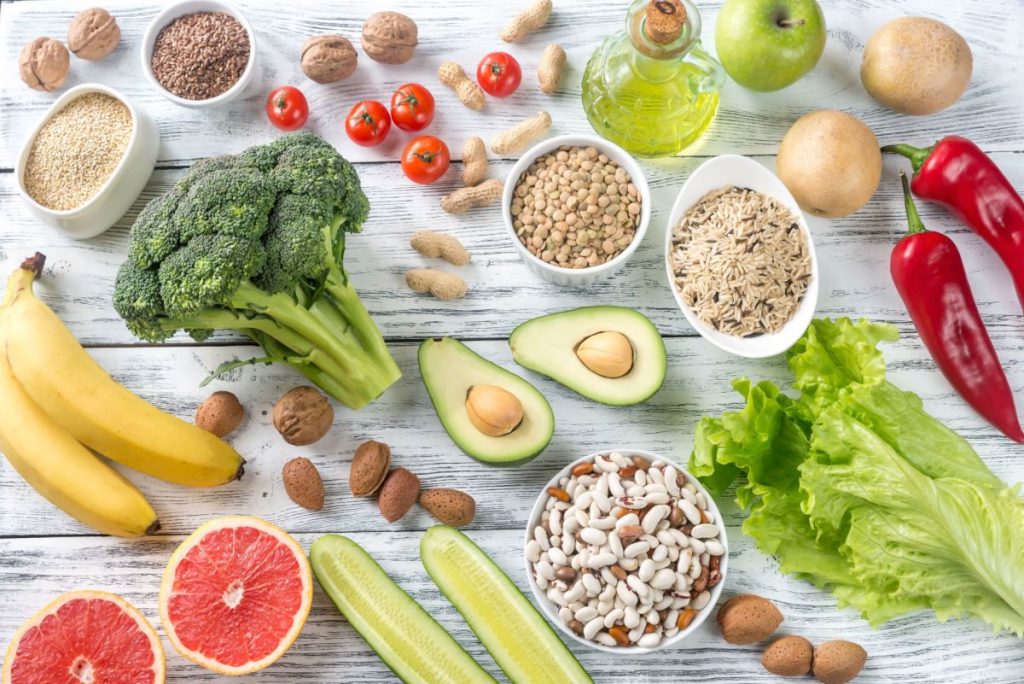
How to incorporate plant-based foods into a healthy lifestyle sets the stage for a journey toward improved well-being. This guide delves into the benefits of a plant-based diet, providing practical strategies for incorporating these foods into your daily life. We’ll explore delicious recipes, address common concerns, and equip you with the knowledge to make informed choices for a healthier future.
From understanding the nutritional advantages of plant-based foods to creating balanced meal plans, this guide covers all the essential aspects of transitioning to a more plant-centric approach. We’ll examine how plant-based eating can support specific health goals, such as weight management, improved gut health, and enhanced athletic performance.
The Benefits of a Plant-Based Diet
A plant-based diet, characterized by a high intake of fruits, vegetables, legumes, whole grains, and nuts, offers a wealth of nutritional and health advantages.
Nutritional Advantages of a Plant-Based Diet
Plant-based diets are packed with essential nutrients that support overall health and well-being.
- Vitamins:Plant-based foods are rich in vitamins, including vitamin C, a powerful antioxidant found in citrus fruits, berries, and leafy greens, essential for immune function and collagen production. Vitamin A, crucial for vision, skin health, and immune function, is abundant in carrots, sweet potatoes, and spinach.
Vitamin K, vital for blood clotting and bone health, is found in leafy greens, broccoli, and Brussels sprouts.
- Minerals:Plant-based diets provide an array of essential minerals, including potassium, found in bananas, potatoes, and beans, which helps regulate blood pressure. Magnesium, found in almonds, spinach, and avocado, is essential for muscle function, energy production, and blood sugar control. Iron, crucial for red blood cell production and oxygen transport, is present in lentils, beans, and spinach.
- Antioxidants:Plant-based foods are brimming with antioxidants, compounds that protect cells from damage caused by free radicals. These include flavonoids, found in berries, grapes, and apples, which may reduce inflammation and improve heart health. Carotenoids, found in carrots, sweet potatoes, and tomatoes, may reduce the risk of certain cancers.
Potential Health Benefits of a Plant-Based Diet
A growing body of research suggests that a plant-based diet can significantly reduce the risk of chronic diseases, contributing to a healthier and longer life.
- Heart Disease:Plant-based diets are often lower in saturated fat and cholesterol, which are linked to heart disease. They are also rich in fiber, which helps lower cholesterol levels. Studies have shown that individuals following plant-based diets have a lower risk of developing heart disease.
- Type 2 Diabetes:Plant-based diets can help manage blood sugar levels, reducing the risk of developing type 2 diabetes. They are low in refined carbohydrates and high in fiber, which helps regulate blood sugar.
- Cancer:Some studies suggest that a plant-based diet may reduce the risk of certain cancers. The abundance of antioxidants and fiber in plant-based foods may play a role in protecting against cancer development.
Environmental Impact of Plant-Based Diets
The production of animal products, including meat, dairy, and eggs, has a significant environmental impact.
- Greenhouse Gas Emissions:Animal agriculture is a major contributor to greenhouse gas emissions, particularly methane, which is a potent heat-trapping gas.
- Land Use:Raising livestock requires vast amounts of land for grazing and feed production, leading to deforestation and habitat loss.
- Water Consumption:Animal agriculture consumes enormous quantities of water for livestock and feed production, putting a strain on water resources.
Incorporating Plant-Based Foods into Your Diet
Making the shift to a more plant-based diet can be a rewarding journey, but it’s important to approach it gradually and with a mindful approach. It’s not about eliminating all animal products overnight but rather incorporating more plant-based options into your daily meals.
Transitioning to a Plant-Based Diet
A gradual transition allows your body to adjust and helps you discover new flavors and culinary delights. Start by incorporating small changes and gradually increase your plant-based intake. Here are some tips to make the transition smoother:
- Start with one meal a day:Begin by replacing one meal with a plant-based option. For instance, you could have a vegetarian breakfast or a vegan lunch. This allows you to experiment with new recipes and adjust your taste buds.
- Focus on variety:Explore different plant-based ingredients like fruits, vegetables, legumes, nuts, and seeds. This will keep your meals interesting and ensure you’re getting a wide range of nutrients.
- Replace animal products gradually:Instead of eliminating all animal products at once, try replacing them one by one. For example, you can swap out beef for lentils in a chili or use tofu instead of chicken in a stir-fry.
- Incorporate plant-based protein sources:Plant-based protein sources are essential for maintaining a healthy diet. Include legumes (lentils, beans, chickpeas), tofu, tempeh, edamame, nuts, and seeds in your meals.
- Seek support:Connect with friends, family, or online communities who are also following a plant-based diet. They can provide encouragement, share recipes, and offer valuable tips.
Addressing Potential Challenges and Concerns
It’s normal to have concerns about transitioning to a plant-based diet. Here are some common concerns and how to address them:
- Protein deficiency:Plant-based diets can provide ample protein. Focus on incorporating a variety of plant-based protein sources, as mentioned earlier.
- Nutrient deficiencies:It’s crucial to ensure you’re getting all the essential nutrients. Pay attention to your intake of vitamin B12, iron, calcium, and omega-3 fatty acids. These nutrients can be found in fortified plant-based foods, supplements, or by incorporating certain plant-based foods rich in these nutrients.
- Social situations:Dining out or attending social gatherings can be challenging. Communicate your dietary preferences to your host or restaurant staff. Most restaurants offer vegetarian or vegan options, and you can also bring your own dish if needed.
- Cost:A plant-based diet can be affordable. Focus on buying seasonal fruits and vegetables, and explore budget-friendly plant-based protein sources like lentils, beans, and chickpeas.
Delicious and Nutritious Plant-Based Meals, Snacks, and Recipes
A plant-based diet can be delicious and satisfying. Here are some ideas for plant-based meals, snacks, and recipes:
Plant-Based Meals
- Breakfast:Oatmeal with berries and nuts, tofu scramble with vegetables, smoothie with fruits, vegetables, and protein powder.
- Lunch:Lentil soup, salad with chickpeas and tahini dressing, veggie burger on a whole-wheat bun.
- Dinner:Black bean tacos, lentil curry, vegetable stir-fry with tofu or tempeh.
Plant-Based Snacks
- Fruits:Apples, bananas, oranges, berries.
- Vegetables:Carrots, celery, bell peppers.
- Nuts and Seeds:Almonds, walnuts, pumpkin seeds, sunflower seeds.
- Trail mix:A mix of nuts, seeds, dried fruit, and dark chocolate.
Plant-Based Recipes
- Black Bean Burgers:Combine cooked black beans, rolled oats, onions, garlic, cumin, and chili powder. Shape into patties and pan-fry or grill.
- Lentil Soup:Sauté onions, carrots, and celery. Add lentils, vegetable broth, and spices like curry powder or turmeric. Simmer until lentils are tender.
- Roasted Vegetable Salad:Roast your favorite vegetables like broccoli, cauliflower, Brussels sprouts, and sweet potatoes. Toss with olive oil, salt, and pepper. Serve over a bed of greens with a lemon vinaigrette.
Sample Weekly Meal Plan
Here’s a sample weekly meal plan that incorporates a variety of plant-based foods:
| Day | Breakfast | Lunch | Dinner | Snacks |
|---|---|---|---|---|
| Monday | Oatmeal with berries and nuts | Lentil soup | Black bean tacos | Apple slices, almonds |
| Tuesday | Tofu scramble with vegetables | Salad with chickpeas and tahini dressing | Vegetable stir-fry with tofu | Carrots and hummus |
| Wednesday | Smoothie with fruits, vegetables, and protein powder | Veggie burger on a whole-wheat bun | Lentil curry | Trail mix |
| Thursday | Oatmeal with berries and nuts | Lentil soup | Black bean tacos | Apple slices, almonds |
| Friday | Tofu scramble with vegetables | Salad with chickpeas and tahini dressing | Vegetable stir-fry with tofu | Carrots and hummus |
| Saturday | Smoothie with fruits, vegetables, and protein powder | Veggie burger on a whole-wheat bun | Lentil curry | Trail mix |
| Sunday | Oatmeal with berries and nuts | Lentil soup | Black bean tacos | Apple slices, almonds |
Plant-Based Protein Sources
Plant-based protein sources are essential for a healthy and balanced diet. They offer a variety of nutrients and can be incorporated into various meals.
Legumes
Legumes, such as beans, lentils, and peas, are excellent sources of protein, fiber, and other essential nutrients. They are also relatively low in fat and calories, making them a healthy choice for weight management.
- Beans: Black beans, kidney beans, chickpeas, and pinto beans are rich in protein, fiber, iron, and folate. They can be added to salads, soups, stews, and dips.
- Lentils: Lentils are a good source of protein, fiber, iron, and potassium. They can be used in soups, stews, salads, and veggie burgers.
- Peas: Green peas are a good source of protein, fiber, vitamin A, and vitamin C. They can be added to salads, stir-fries, and pasta dishes.
Nuts and Seeds
Nuts and seeds are packed with protein, healthy fats, fiber, and various vitamins and minerals. They can be enjoyed as snacks, added to trail mixes, or incorporated into meals.
- Almonds: Almonds are rich in protein, fiber, vitamin E, and magnesium. They can be eaten raw, roasted, or used in baking.
- Cashews: Cashews are a good source of protein, fiber, and magnesium. They can be enjoyed as snacks or added to stir-fries and curries.
- Chia seeds: Chia seeds are high in protein, fiber, omega-3 fatty acids, and calcium. They can be added to smoothies, yogurt, or oatmeal.
- Flaxseeds: Flaxseeds are a good source of protein, fiber, omega-3 fatty acids, and lignans. They can be ground into a meal and added to baked goods or smoothies.
Tofu
Tofu is a versatile and protein-rich food made from soybeans. It is a good source of protein, calcium, and iron. Tofu can be used in stir-fries, curries, salads, and sandwiches.
Tempeh
Tempeh is a fermented soybean product that is rich in protein, fiber, and iron. It has a nutty flavor and can be used in stir-fries, soups, and stews.
Seitan
Seitan is a wheat gluten-based meat substitute that is high in protein and low in fat. It has a chewy texture and can be used in stir-fries, soups, and stews.
Nutritional Content and Serving Size Recommendations
| Protein Source | Protein (grams per serving) | Other Nutrients | Serving Size |
|---|---|---|---|
| 1/2 cup cooked beans | 8-10 grams | Fiber, iron, folate | 1/2 cup |
| 1/2 cup cooked lentils | 18 grams | Fiber, iron, potassium | 1/2 cup |
| 1/4 cup almonds | 6 grams | Vitamin E, magnesium | 1/4 cup |
| 1/4 cup cashews | 5 grams | Magnesium, zinc | 1/4 cup |
| 1 tablespoon chia seeds | 2 grams | Omega-3 fatty acids, calcium | 1 tablespoon |
| 1 tablespoon flaxseeds | 2 grams | Omega-3 fatty acids, lignans | 1 tablespoon |
| 1/2 cup tofu | 20 grams | Calcium, iron | 1/2 cup |
| 1/2 cup tempeh | 19 grams | Fiber, iron | 1/2 cup |
| 1/2 cup seitan | 20 grams | Low in fat | 1/2 cup |
Essential Nutrients for a Plant-Based Diet
While a well-planned plant-based diet can provide all the essential nutrients your body needs, there are a few key nutrients that may require more attention. This is because these nutrients are found in higher concentrations in animal products, so it’s important to be aware of them and ensure you are getting enough through your plant-based choices.
Vitamin B12
Vitamin B12 is crucial for the formation of red blood cells, the proper functioning of the nervous system, and DNA synthesis. It is primarily found in animal products like meat, poultry, fish, and dairy.
Vitamin B12 deficiency can lead to fatigue, anemia, nerve damage, and cognitive problems.
Fortunately, there are several ways to ensure adequate vitamin B12 intake on a plant-based diet:* Fortified Foods:Many plant-based milk alternatives, breakfast cereals, and nutritional yeasts are fortified with vitamin B12.
Supplementation
Taking a daily vitamin B12 supplement is an effective way to meet your needs.
B12-Rich Foods
Some plant-based foods contain small amounts of vitamin B12, including:
Nutritional Yeast
A deactivated yeast that has a cheesy flavor and is a good source of B12.
Tempeh
A fermented soybean product that contains some B12.
Seaweed
Certain types of seaweed, like nori and spirulina, contain trace amounts of B12.
Iron
Iron is essential for carrying oxygen throughout the body. It is found in two forms: heme iron (found in animal products) and non-heme iron (found in plant-based foods). Non-heme iron is less readily absorbed by the body than heme iron.
Iron deficiency can lead to fatigue, shortness of breath, pale skin, and headaches.
To maximize iron absorption from plant-based sources:* Combine with Vitamin C:Foods rich in vitamin C, like citrus fruits, berries, and bell peppers, enhance the absorption of non-heme iron.
Avoid Tannins
Foods high in tannins, such as tea and coffee, can inhibit iron absorption.
Cook with Cast Iron
Cooking in a cast iron pan can add a small amount of iron to your food.Here are some plant-based foods rich in iron:* Lentils:A great source of both protein and iron.
Spinach
Packed with iron and other essential nutrients.
Tofu
A versatile protein source that contains iron.
Chickpeas
A good source of iron, fiber, and protein.
Black Beans
Another excellent source of iron and other nutrients.
Calcium
Calcium is vital for strong bones and teeth, muscle function, and nerve transmission. Dairy products are the most common source of calcium, but there are many plant-based alternatives.
Calcium deficiency can lead to osteoporosis, a condition that weakens bones and increases the risk of fractures.
Here are some plant-based sources of calcium:* Leafy Greens:Kale, collard greens, and bok choy are excellent sources of calcium.
Fortified Plant-Based Milks
Soy milk, almond milk, oat milk, and rice milk are often fortified with calcium.
Tofu
A good source of calcium, especially if it is pressed and drained.
Edamame
A soy product that contains calcium.
Almonds
A good source of calcium and other nutrients.
Omega-3 Fatty Acids
Omega-3 fatty acids are essential for heart health, brain function, and reducing inflammation. They are primarily found in fatty fish, but there are also plant-based sources.
Omega-3 deficiency can lead to heart disease, depression, and cognitive decline.
Here are some plant-based sources of omega-3 fatty acids:* Flaxseeds:Rich in ALA (alpha-linolenic acid), a type of omega-3 that the body can convert to EPA and DHA.
Chia Seeds
Another good source of ALA.
Walnuts
Contain ALA and other heart-healthy fats.
Hemp Seeds
A good source of ALA and protein.
Seaweed
Some types of seaweed, like spirulina, contain omega-3 fatty acids.
Plant-Based Foods for Specific Health Goals

A plant-based diet can be tailored to support various health goals, making it a versatile and beneficial approach to well-being. By strategically choosing plant-based foods, individuals can achieve specific objectives like weight management, gut health improvement, and enhanced athletic performance.
Weight Management
A plant-based diet can be an effective tool for weight management. Plant-based foods are generally lower in calories and fat than animal products, while being rich in fiber, which promotes satiety and helps control appetite.
- High-fiber foods:Fruits, vegetables, legumes, and whole grains are excellent sources of fiber. These foods help you feel full for longer, reducing the likelihood of overeating. Examples include:
- Fruits:Apples, pears, berries, bananas, oranges
- Vegetables:Broccoli, spinach, Brussels sprouts, carrots, sweet potatoes
- Legumes:Lentils, beans, chickpeas
- Whole grains:Brown rice, quinoa, oats, barley
- Lean protein sources:Plant-based protein sources like tofu, tempeh, and lentils are lower in calories and fat than animal protein, making them suitable for weight management. These protein sources also provide essential nutrients like iron, zinc, and calcium.
Improved Gut Health
A plant-based diet rich in fiber can significantly improve gut health. Fiber acts as prebiotics, nourishing the beneficial bacteria in the gut, promoting a healthy microbiome.
- Fermented foods:Foods like sauerkraut, kimchi, and kombucha contain probiotics, live bacteria that can help restore the balance of gut bacteria. These fermented foods are rich in vitamins, minerals, and antioxidants, contributing to overall gut health.
- High-fiber fruits and vegetables:Apples, bananas, pears, broccoli, spinach, and carrots are excellent sources of fiber, supporting a healthy gut microbiome.
- Legumes:Lentils, beans, and chickpeas are rich in fiber and prebiotics, promoting the growth of beneficial bacteria in the gut.
Enhanced Athletic Performance
A well-planned plant-based diet can provide athletes with the nutrients they need for optimal performance. Plant-based foods are rich in carbohydrates, protein, and essential vitamins and minerals, which are crucial for energy production, muscle recovery, and overall health.
- Complex carbohydrates:Whole grains, legumes, and starchy vegetables like sweet potatoes and potatoes provide sustained energy for endurance activities. These complex carbohydrates are digested slowly, providing a steady release of glucose into the bloodstream.
- Plant-based protein sources:Tofu, tempeh, lentils, and quinoa are excellent sources of protein, essential for muscle building and repair. Consuming adequate protein after exercise helps with muscle recovery and growth.
- Fruits and vegetables:Fruits and vegetables provide essential vitamins and minerals, including antioxidants, which help protect cells from damage caused by exercise. They also provide hydration, crucial for optimal performance.
Addressing Common Concerns
It’s understandable to have concerns about switching to a plant-based diet. Many people worry about getting enough protein, vitamin B12, and other essential nutrients. However, with proper planning, a plant-based diet can be incredibly nutritious and satisfying.
Protein Deficiency
Protein is essential for building and repairing tissues, making enzymes and hormones, and maintaining a healthy immune system. While animal products are often seen as the primary source of protein, many plant-based foods are excellent sources.
- Legumes:Lentils, beans, chickpeas, and peas are packed with protein, fiber, and other nutrients. A cup of cooked lentils provides about 18 grams of protein.
- Tofu and Tempeh:Made from soybeans, tofu and tempeh are versatile protein sources that can be used in various dishes. One-half cup of tofu provides about 20 grams of protein.
- Nuts and Seeds:Almonds, cashews, pumpkin seeds, and sunflower seeds are excellent sources of protein, healthy fats, and fiber. A quarter cup of almonds provides about 6 grams of protein.
- Whole Grains:Quinoa, brown rice, and oats are good sources of protein, fiber, and complex carbohydrates. One cup of cooked quinoa provides about 8 grams of protein.
- Vegetables:While not as protein-rich as other options, vegetables like broccoli, spinach, and asparagus contribute to your daily protein intake.
Vitamin B12 Deficiency
Vitamin B12 is crucial for nerve function, red blood cell production, and DNA synthesis. It’s primarily found in animal products.
- Fortified Foods:Many plant-based milk alternatives, breakfast cereals, and nutritional yeast are fortified with vitamin B12.
- Supplementation:Taking a vitamin B12 supplement is a reliable way to ensure you’re getting enough.
- Regular Blood Tests:It’s essential to get regular blood tests to monitor your vitamin B12 levels, especially if you’re following a strict plant-based diet.
Potential for Nutrient Imbalances
A well-planned plant-based diet can provide all the nutrients you need. However, some nutrients, like iron, calcium, and omega-3 fatty acids, might require more attention.
- Iron:Plant-based iron is not as readily absorbed as animal-based iron. To enhance absorption, consume iron-rich foods with vitamin C-rich foods like citrus fruits, bell peppers, and strawberries.
- Calcium:Good plant-based sources of calcium include leafy green vegetables like kale and spinach, fortified plant-based milk alternatives, and tofu.
- Omega-3 Fatty Acids:Flaxseeds, chia seeds, and walnuts are good sources of plant-based omega-3 fatty acids.
Tips for Success
Making a plant-based lifestyle sustainable is a journey that requires careful planning, preparation, and a commitment to positive change. This section provides practical tips for making this transition easier and more enjoyable.
Meal Planning and Grocery Shopping
Meal planning is a crucial aspect of a successful plant-based lifestyle. By planning ahead, you can ensure that you have nutritious and delicious meals readily available.
- Create a weekly meal plan:Dedicate some time each week to plan out your meals. Consider your schedule, preferences, and available ingredients. This will help you avoid last-minute unhealthy choices.
- Make a grocery list:Once you have a meal plan, create a detailed grocery list. This will prevent impulse purchases and ensure you have all the necessary ingredients for your plant-based meals.
- Stock your pantry with staples:Keep a well-stocked pantry with plant-based staples like beans, lentils, quinoa, nuts, seeds, and whole grains. This will make meal preparation quicker and more convenient.
- Shop at farmers markets:Farmers markets offer a wide variety of fresh, seasonal produce, which can add variety and flavor to your plant-based meals.
- Explore online grocery delivery services:Many online grocery delivery services offer a wide selection of plant-based products, making it easier to shop from the comfort of your home.
Dining Out
Dining out can be challenging on a plant-based diet, but it is not impossible.
- Research restaurants beforehand:Look for restaurants that have a dedicated plant-based menu or offer a variety of vegetarian and vegan options.
- Don’t be afraid to ask questions:When dining out, don’t hesitate to ask about ingredients and how dishes are prepared. Most restaurants are happy to accommodate dietary restrictions.
- Be prepared to make substitutions:If a dish doesn’t meet your needs, ask if you can substitute ingredients or have a dish prepared without certain ingredients.
- Consider bringing your own food:If you are unsure about the options at a particular restaurant, consider bringing your own plant-based meal or snack. This will ensure you have something healthy to eat.
Overcoming Challenges and Maintaining Motivation
Making a significant dietary change can be challenging, but there are strategies to overcome obstacles and stay motivated.
- Start small and gradually increase your intake of plant-based foods:Don’t feel pressured to go completely plant-based overnight. Start by incorporating one or two plant-based meals per week and gradually increase your intake over time.
- Find a support system:Connect with friends, family, or online communities who share your interest in plant-based eating. Sharing recipes, tips, and experiences can help you stay motivated and on track.
- Celebrate your successes:Acknowledge your progress and celebrate your achievements along the way. This will help you stay motivated and maintain a positive mindset.
- Don’t be afraid to seek help:If you are struggling to make the transition to a plant-based lifestyle, don’t hesitate to seek guidance from a registered dietitian or other healthcare professional. They can provide personalized advice and support to help you achieve your health goals.
Stress Management: How To Incorporate Plant-based Foods Into A Healthy Lifestyle
Stress is a natural part of life, but chronic stress can have a significant impact on your physical and mental health. When you’re stressed, your body releases hormones like cortisol, which can increase your heart rate, blood pressure, and blood sugar levels.
Over time, this can lead to a variety of health problems, including heart disease, stroke, obesity, and depression.
Stress Management Techniques
Stress management techniques can help you reduce the negative effects of stress on your body and mind. By learning to manage stress effectively, you can improve your overall well-being and enhance your quality of life.
- Exercise: Regular physical activity is a powerful stress reliever. Exercise releases endorphins, which have mood-boosting effects. Aim for at least 30 minutes of moderate-intensity exercise most days of the week.
- Meditation: Meditation involves focusing your attention on the present moment and letting go of thoughts and feelings that may be causing stress. It can help you calm your mind, reduce anxiety, and improve your overall sense of well-being. There are many different types of meditation, so find one that works best for you.
- Deep Breathing Exercises: Deep breathing exercises can help you relax your body and mind. When you breathe deeply, you send more oxygen to your brain, which can help you feel calmer and more focused. There are many different deep breathing techniques, such as diaphragmatic breathing and box breathing.
- Mindfulness Practices: Mindfulness involves paying attention to the present moment without judgment. This can help you become more aware of your thoughts, feelings, and sensations, and it can help you manage stress by reducing your reactivity to stressful situations. You can practice mindfulness through activities such as meditation, yoga, or simply by focusing on your breath while you walk or eat.
Incorporating Stress Management into Daily Life, How to incorporate plant-based foods into a healthy lifestyle
Incorporate stress management techniques into your daily routine to reap the benefits.
- Schedule time for relaxation: Just like you schedule time for work, make time for activities that help you relax and de-stress, such as exercise, meditation, or spending time in nature.
- Practice self-care: Take care of your physical and mental health by eating a healthy diet, getting enough sleep, and engaging in activities that you enjoy.
- Learn to say no: It’s okay to say no to requests that will add to your stress level.
- Connect with others: Spending time with loved ones can help you feel more supported and less stressed.
- Seek professional help: If you’re struggling to manage stress on your own, don’t hesitate to seek professional help from a therapist or counselor.
Medical Innovations
The world of medicine is constantly evolving, with groundbreaking advancements in technology and treatments that are revolutionizing healthcare and improving the lives of millions. These innovations are not only extending lifespans but also enhancing the quality of life, empowering individuals to live healthier and more fulfilling lives.
Impact on Health and Well-being
These medical innovations are transforming the way we approach health and well-being. They are enabling us to prevent diseases, diagnose conditions earlier, and personalize treatments to individual needs. This shift towards proactive healthcare is empowering individuals to take control of their health and well-being.
Contributions to Disease Prevention
Medical innovations are playing a crucial role in disease prevention.
- Advancements in genetic testing allow individuals to identify their predisposition to certain diseases, enabling them to take proactive steps to mitigate their risks. For example, genetic testing can help identify individuals at risk for heart disease or certain types of cancer, allowing them to make lifestyle changes or undergo preventative screenings.
- Vaccines have been instrumental in eradicating or significantly reducing the incidence of numerous infectious diseases, such as polio and measles. Continued research and development of new vaccines are crucial in combating emerging infectious diseases and protecting public health.
- Personalized medicine, driven by advancements in genomics and bioinformatics, enables tailored treatment plans based on an individual’s genetic makeup, lifestyle, and environmental factors. This approach aims to maximize treatment effectiveness while minimizing side effects, improving overall health outcomes.
Early Diagnosis and Personalized Healthcare
Medical innovations are facilitating earlier diagnosis and personalized healthcare, leading to more effective treatments and improved outcomes.
- Advanced imaging technologies, such as magnetic resonance imaging (MRI) and computed tomography (CT) scans, provide detailed anatomical images, enabling the early detection of diseases and conditions. These technologies are crucial in diagnosing cancers, cardiovascular diseases, and neurological disorders at their earliest stages, when treatment is most effective.
- Artificial intelligence (AI) is revolutionizing medical diagnostics by analyzing vast amounts of data to identify patterns and anomalies, aiding in early disease detection. AI-powered tools can analyze medical images, interpret lab results, and predict disease risk, enabling quicker and more accurate diagnoses.
- Wearable health devices, such as smartwatches and fitness trackers, monitor vital signs like heart rate, sleep patterns, and activity levels, providing valuable insights into an individual’s health. These devices can alert individuals to potential health issues and encourage proactive lifestyle changes, leading to improved health outcomes.
Examples of Innovative Medical Technologies
The medical landscape is teeming with innovative technologies that are transforming healthcare.
- Gene editing, specifically CRISPR-Cas9 technology, allows scientists to modify genes with unprecedented precision. This breakthrough has the potential to cure genetic diseases, develop new therapies, and enhance disease resistance.
- 3D printingis revolutionizing the creation of customized medical devices and prosthetics. This technology allows for the fabrication of implants, surgical guides, and even organs, tailored to individual patient needs.
- Robotic surgeryis enhancing surgical precision and minimizing invasiveness. Robotic arms equipped with advanced instruments allow surgeons to perform complex procedures with greater accuracy and control, leading to faster recovery times and reduced complications.
Nutritional Supplements
While a well-balanced plant-based diet provides most essential nutrients, some individuals may benefit from supplementing their intake. Supplements can address potential nutritional gaps and support overall health. However, it’s crucial to understand their role and use them responsibly.
Understanding the Role of Supplements
Nutritional supplements are concentrated sources of vitamins, minerals, herbs, or other substances that are intended to supplement the diet. They are not meant to replace a healthy diet but can be helpful in specific situations, such as when dietary intake is insufficient or when there are increased nutrient needs.
Choosing Safe and Effective Supplements
- Consult a Healthcare Professional:Before taking any supplements, it’s essential to consult with a doctor or registered dietitian to determine if they are necessary and to discuss potential interactions with medications or existing health conditions.
- Look for Reputable Brands:Choose supplements from reputable brands that have been third-party tested for quality and purity. Look for certifications like USP (United States Pharmacopeia) or NSF (National Sanitation Foundation).
- Consider Individual Needs:The need for supplements varies based on individual factors like age, gender, dietary habits, health conditions, and medications. For example, pregnant women require higher amounts of certain nutrients, and individuals with specific dietary restrictions may need to supplement.
Commonly Used Supplements and Their Potential Benefits and Drawbacks
- Vitamin B12:Vitamin B12 is primarily found in animal products. Vegans and vegetarians may need to supplement to ensure adequate intake. Vitamin B12 deficiency can lead to fatigue, anemia, and nerve damage.
- Vitamin D:Vitamin D is synthesized by the skin upon exposure to sunlight. However, many people, especially those living in northern latitudes or with limited sun exposure, may be deficient. Vitamin D plays a vital role in bone health, immune function, and mood regulation.
- Iron:Iron is essential for red blood cell production and oxygen transport. Plant-based sources of iron are less bioavailable than animal sources. Combining iron-rich foods with vitamin C-rich foods can enhance absorption. Iron deficiency can lead to anemia, fatigue, and shortness of breath.
- Omega-3 Fatty Acids:Omega-3 fatty acids are essential for heart health, brain function, and reducing inflammation. While plant-based sources like flaxseeds and chia seeds provide ALA (alpha-linolenic acid), the body converts it to EPA and DHA (eicosapentaenoic acid and docosahexaenoic acid) less efficiently.
Some plant-based individuals may choose to supplement with EPA and DHA from algae oil.
- Calcium:Calcium is crucial for strong bones and teeth. While leafy green vegetables, fortified plant milks, and tofu are good sources of calcium, some individuals may benefit from supplementation, especially those at risk for osteoporosis.
Potential Risks of Supplements
- Interactions with Medications:Supplements can interact with medications, potentially reducing their effectiveness or increasing the risk of side effects. It’s crucial to inform your doctor about any supplements you are taking.
- Toxicity:Taking high doses of certain supplements can be toxic. Always follow recommended dosage guidelines and consult with a healthcare professional.
- Misleading Marketing:The supplement industry is not always regulated, and some products may make unsubstantiated claims. Be cautious of products that promise quick fixes or miraculous results.
Important Considerations
- Supplements are not a substitute for a healthy diet:Prioritize consuming a wide variety of whole, plant-based foods before relying on supplements.
- Focus on nutrient-dense foods:Instead of relying solely on supplements, prioritize consuming foods rich in the nutrients you may be lacking.
- Consult with a healthcare professional:Always discuss any potential supplement use with your doctor or a registered dietitian to ensure safety and effectiveness.
Fitness Routine
A plant-based diet provides the foundation for a healthy lifestyle, and incorporating regular physical activity complements it beautifully. Exercise not only enhances physical fitness but also positively impacts mental well-being, contributing to a holistic approach to health.
Designing a Safe and Effective Fitness Routine
Creating a safe and effective fitness routine requires considering individual fitness levels and goals. It’s crucial to start gradually and progress at a pace that feels comfortable. Here are some tips for designing a safe and effective fitness routine:
- Consult a Healthcare Professional:Before starting any new exercise program, it’s essential to consult with a healthcare professional, especially if you have any underlying health conditions. They can provide personalized guidance and ensure the routine aligns with your individual needs.
- Start Slowly and Gradually Increase Intensity:Begin with short workouts and gradually increase the duration and intensity as your fitness level improves. This approach minimizes the risk of injury and allows your body to adapt to the new demands.
- Listen to Your Body:Pay attention to your body’s signals and take rest days when needed. Pushing yourself too hard can lead to injury and burnout.
- Vary Your Activities:Incorporate a mix of different types of exercise to engage various muscle groups and prevent boredom. This could include cardio, strength training, flexibility exercises, and balance exercises.
- Set Realistic Goals:Aim for achievable goals that motivate you to stay consistent. It’s better to start small and gradually increase the challenge as you progress.
- Find Activities You Enjoy:Choose activities that you find enjoyable and engaging. This will make it more likely that you’ll stick with your fitness routine in the long run.
Types of Exercises and Their Benefits
Different types of exercise offer unique benefits for overall health and well-being. Here are some examples:
- Cardiovascular Exercise:Cardiovascular exercise, such as running, swimming, cycling, and dancing, strengthens the heart and lungs, improves blood circulation, and helps control weight.
- Strength Training:Strength training, which involves using weights or resistance bands, builds muscle mass, increases bone density, and improves metabolism.
- Flexibility Exercises:Flexibility exercises, such as yoga and stretching, improve range of motion, reduce muscle soreness, and enhance posture.
- Balance Exercises:Balance exercises, such as tai chi and standing on one leg, improve coordination and reduce the risk of falls, particularly as we age.
Health Screenings
Regular health screenings are essential for maintaining good health and detecting potential health problems early. Early detection allows for timely interventions and increases the chances of successful treatment.
Recommended Screenings
It’s important to discuss your individual screening needs with your healthcare provider, as the frequency and types of screenings recommended can vary based on factors such as age, gender, family history, and personal risk factors. However, some general guidelines for recommended screenings include:
- Blood pressure:Recommended at least every two years for adults, and more frequently for individuals with high blood pressure or other risk factors.
- Cholesterol:Recommended every five years for adults, and more frequently for individuals with a family history of heart disease or other risk factors.
- Diabetes:Recommended for adults with risk factors such as obesity, family history of diabetes, or certain ethnicities.
- Colorectal cancer:Recommended for adults starting at age 50, and earlier for individuals with a family history of colorectal cancer or other risk factors.
- Breast cancer:Recommended annually for women starting at age 40, and earlier for individuals with a family history of breast cancer or other risk factors.
- Cervical cancer:Recommended every three years for women between the ages of 21 and 65, and more frequently for individuals with a history of cervical cancer or other risk factors.
- Prostate cancer:Recommended for men starting at age 50, and earlier for individuals with a family history of prostate cancer or other risk factors.
- Skin cancer:Recommended for individuals with a family history of skin cancer or other risk factors, or those who have had excessive sun exposure.
Finding Reliable Healthcare Providers
Finding a reliable healthcare provider is crucial for receiving accurate and effective care. Consider the following tips:
- Ask for recommendations:Talk to family, friends, and colleagues for recommendations on trusted healthcare providers.
- Check credentials:Verify the provider’s credentials and board certifications through reputable organizations.
- Read online reviews:Check online reviews from previous patients to get an idea of the provider’s experience and patient satisfaction.
- Schedule a consultation:Meet with the provider to discuss your health concerns and ask any questions you may have.
Scheduling Screenings
Once you’ve found a reliable healthcare provider, it’s important to schedule your screenings promptly.
- Contact the provider’s office:Call or email the provider’s office to schedule your screening appointments.
- Be prepared for questions:Be prepared to answer questions about your medical history, family history, and current health status.
- Follow instructions:Follow any instructions provided by the provider, such as fasting before a blood test or wearing comfortable clothing for a physical exam.
Emotional Wellbeing
It’s not just about what you eat, but also how you feel. A healthy mind is just as crucial as a healthy body. Emotional well-being plays a vital role in your overall health and happiness. When you feel good emotionally, you’re more likely to make healthy choices and have a positive outlook on life.
Strategies for Promoting Emotional Well-being
There are many ways to nurture your emotional well-being. These strategies can help you manage stress, cultivate resilience, and enjoy a more fulfilling life.
Self-Care Practices
Self-care isn’t selfish; it’s essential. It’s about taking time for yourself to recharge and prioritize your mental and emotional health.
- Mindfulness and Meditation:These practices can help you become more aware of your thoughts and feelings, allowing you to manage stress and anxiety more effectively. Even a few minutes of daily meditation can have a positive impact.
- Physical Activity:Exercise releases endorphins, which have mood-boosting effects. Find activities you enjoy, whether it’s walking, dancing, or yoga.
- Getting Enough Sleep:When you’re sleep-deprived, your emotional resilience can be compromised. Aim for 7-8 hours of quality sleep each night.
- Spending Time in Nature:Being in nature has been shown to reduce stress and improve mood. Take walks in the park, garden, or simply sit outside and enjoy the fresh air.
Building Healthy Relationships
Strong relationships are a cornerstone of emotional well-being.
- Nurturing Existing Relationships:Make time for the people who matter most. Spend quality time together, communicate openly, and show your appreciation.
- Building New Connections:Join a club, volunteer, or take a class to meet new people and expand your social circle.
- Setting Boundaries:It’s important to protect your emotional energy. Learn to say no to requests that drain you and prioritize your own well-being.
Seeking Support When Needed
Don’t hesitate to reach out for help when you’re struggling.
- Talking to a Therapist:Therapy can provide a safe space to explore your emotions, develop coping mechanisms, and gain new perspectives.
- Support Groups:Connecting with others who share similar experiences can provide a sense of community and understanding.
- Reaching Out to Loved Ones:Talk to friends and family members you trust. Sharing your feelings can be a relief and help you feel less alone.
The Impact of Emotional Stress on Physical Health
Emotional stress can have a significant impact on your physical health. When you’re stressed, your body releases hormones that can weaken your immune system, increase inflammation, and contribute to various health problems.
Managing Emotional Stress Effectively
- Identify Your Stressors:Become aware of the things that trigger your stress response. This will help you develop strategies for managing them.
- Practice Relaxation Techniques:Deep breathing exercises, progressive muscle relaxation, and meditation can help calm your nervous system.
- Seek Professional Help:If you’re struggling to manage stress on your own, consider talking to a therapist or counselor.
Healthy Aging
Aging is a natural part of life, and while it brings changes, it doesn’t have to mean declining health. A healthy lifestyle plays a crucial role in promoting successful aging, allowing you to enjoy a vibrant and fulfilling life as you get older.
Strategies for Healthy Aging
A healthy lifestyle is essential for successful aging, encompassing various aspects of your well-being. Here are key strategies to incorporate into your daily life:
- Regular Exercise: Engaging in regular physical activity helps maintain muscle mass, bone density, cardiovascular health, and overall fitness. Aim for at least 150 minutes of moderate-intensity aerobic activity or 75 minutes of vigorous-intensity aerobic activity per week, along with strength training exercises at least twice a week.
- Balanced Diet: A diet rich in fruits, vegetables, whole grains, lean protein, and healthy fats provides essential nutrients for optimal health. Limit processed foods, sugary drinks, and saturated and trans fats. A plant-based diet can be particularly beneficial for aging well, as it provides antioxidants and fiber that protect against chronic diseases.
- Stress Management: Chronic stress can negatively impact both physical and mental health. Incorporate stress-reducing techniques into your routine, such as yoga, meditation, deep breathing exercises, spending time in nature, or engaging in hobbies you enjoy.
- Cognitive Stimulation: Keeping your mind active is crucial for maintaining cognitive function. Engage in activities that challenge your brain, such as reading, learning a new language, playing games, or engaging in social activities.
Age-Related Health Concerns
As you age, certain health concerns may become more prevalent. Here are some common age-related health conditions and how to manage them:
- Cardiovascular Disease: Maintaining a healthy weight, eating a balanced diet, exercising regularly, and managing stress are crucial for preventing or managing cardiovascular disease. Regular checkups with your doctor are also important.
- Osteoporosis: Osteoporosis, a condition that weakens bones, is more common in older adults. Calcium and vitamin D intake are crucial for bone health. Weight-bearing exercises and avoiding smoking can also help prevent osteoporosis.
- Cognitive Decline: While some cognitive decline is normal with age, there are steps you can take to maintain cognitive function. Engaging in mentally stimulating activities, getting enough sleep, managing stress, and maintaining a healthy diet can help.
- Diabetes: Diabetes can develop at any age, but it is more common in older adults. Maintaining a healthy weight, eating a balanced diet, and exercising regularly are essential for managing diabetes.
- Cancer: Cancer risk increases with age. Maintaining a healthy lifestyle, including a balanced diet, regular exercise, and avoiding smoking, can help reduce cancer risk.
Managing Age-Related Health Concerns
Managing age-related health concerns often involves a combination of lifestyle modifications, medical interventions, and support from healthcare professionals.
- Regular Medical Checkups: Regular medical checkups are essential for detecting and managing health conditions early. Your doctor can recommend personalized strategies for maintaining your health.
- Medication Management: If you are taking medications, it’s important to follow your doctor’s instructions carefully. Keep track of your medications and inform your doctor about any side effects you experience.
- Healthy Lifestyle Modifications: Making healthy lifestyle changes, such as eating a balanced diet, exercising regularly, managing stress, and getting enough sleep, can help prevent or manage many age-related health concerns.
- Support Groups and Social Connections: Connecting with others who are going through similar experiences can provide emotional support and practical advice. Joining support groups or maintaining strong social connections can be beneficial.
Active Lifestyle
An active lifestyle is an essential component of a healthy plant-based diet. It complements the benefits of plant-based nutrition by enhancing physical and mental well-being, reducing the risk of chronic diseases, and promoting a higher quality of life.
Benefits of an Active Lifestyle
Engaging in regular physical activity offers numerous benefits that contribute to overall health and well-being. These benefits include:
- Improved Cardiovascular Health:Physical activity strengthens the heart muscle, improves blood circulation, and lowers blood pressure, reducing the risk of heart disease and stroke.
- Weight Management:Exercise burns calories, helping to maintain a healthy weight and reduce the risk of obesity-related health problems.
- Enhanced Mood and Cognitive Function:Physical activity releases endorphins, which have mood-boosting effects. It also improves blood flow to the brain, enhancing cognitive function and reducing the risk of dementia.
- Stronger Bones and Muscles:Weight-bearing exercises, such as walking, running, and weightlifting, help to build and maintain bone density, reducing the risk of osteoporosis. They also strengthen muscles, improving balance and coordination.
- Reduced Risk of Chronic Diseases:Regular physical activity lowers the risk of developing chronic diseases such as type 2 diabetes, certain types of cancer, and arthritis.
- Improved Sleep Quality:Exercise can promote better sleep by regulating the body’s natural sleep-wake cycle.
- Increased Energy Levels:While it may seem counterintuitive, regular exercise can actually boost energy levels by improving cardiovascular health and increasing efficiency in energy utilization.
Activities for an Active Lifestyle
There are countless ways to incorporate physical activity into your daily routine. Here are some examples of activities that promote an active lifestyle:
- Walking:A simple and accessible activity that can be incorporated into daily routines. Aim for at least 30 minutes of brisk walking most days of the week.
- Cycling:A fun and efficient way to get exercise while exploring your surroundings. Choose a route that suits your fitness level and enjoy the fresh air.
- Swimming:A low-impact exercise that is great for all fitness levels. Swimming provides a full-body workout and is gentle on the joints.
- Dancing:A fun and energetic way to exercise while expressing yourself. Choose a dance style that you enjoy and let loose.
- Yoga and Pilates:These practices focus on flexibility, strength, and balance, promoting overall well-being.
- Gardening:A physically demanding activity that can be enjoyable and rewarding. Digging, planting, and weeding provide a full-body workout.
- Hiking:Explore nature while getting a great workout. Choose trails that suit your fitness level and enjoy the scenic views.
Tips for Incorporating Physical Activity into Daily Life
Making physical activity a regular part of your life requires some planning and effort. Here are some tips for incorporating it into your daily routine:
- Set Realistic Goals:Start with small, achievable goals and gradually increase the intensity and duration of your workouts.
- Find Activities You Enjoy:Choose activities that you find fun and motivating. This will make it easier to stick with your exercise routine.
- Make It Social:Exercise with friends or family for added motivation and support. Join a group fitness class or participate in a sports league.
- Schedule It In:Treat exercise like any other important appointment and schedule it into your daily routine.
- Break It Up:If you find it difficult to fit in a long workout, break it up into shorter sessions throughout the day. Even 10 minutes of exercise is better than none.
- Listen to Your Body:Pay attention to your body’s signals and take breaks when needed. Don’t push yourself too hard, especially when starting out.
- Stay Hydrated:Drink plenty of water before, during, and after exercise to stay hydrated and prevent fatigue.
Immune Support
A robust immune system is your body’s first line of defense against infections and diseases. It’s a complex network of cells, tissues, and organs that work together to identify and eliminate harmful invaders, such as bacteria, viruses, and fungi. A strong immune system helps you stay healthy and recover quickly from illness.
Boosting Immune Function
A healthy lifestyle plays a crucial role in supporting your immune system. Here are some key strategies:
Balanced Diet
A balanced diet rich in fruits, vegetables, whole grains, and lean proteins provides your body with the essential nutrients it needs to function optimally. These nutrients include vitamins, minerals, antioxidants, and fiber, all of which contribute to immune health.
Regular Exercise
Regular physical activity has numerous benefits for your immune system. Exercise helps improve blood circulation, reduces stress, and promotes the production of immune cells. Aim for at least 150 minutes of moderate-intensity aerobic activity or 75 minutes of vigorous-intensity aerobic activity per week.
Adequate Sleep
Getting enough sleep is essential for immune function. During sleep, your body repairs and rejuvenates itself, including your immune system. Aim for 7-8 hours of quality sleep each night.
Stress Management
Chronic stress can weaken your immune system. Finding healthy ways to manage stress, such as exercise, meditation, yoga, or spending time in nature, can help boost your immune response.
Immune-Boosting Foods
Several foods are known to support immune function:
- Citrus Fruits:Rich in vitamin C, which helps boost white blood cell production, crucial for fighting infections.
- Garlic:Contains allicin, a compound with antimicrobial properties that can help fight infections.
- Ginger:Has anti-inflammatory properties and can help reduce the severity of colds and flu symptoms.
- Green Leafy Vegetables:Packed with vitamins A, C, and E, which are important for immune health.
- Berries:Rich in antioxidants, which help protect cells from damage caused by free radicals.
- Yogurt:Contains probiotics, beneficial bacteria that support gut health, which is essential for a healthy immune system.
Immune-Boosting Supplements
While a balanced diet should provide most of the nutrients you need, some supplements may provide additional support:
- Vitamin D:Plays a role in immune function and may help reduce the risk of respiratory infections.
- Zinc:Essential for immune cell function and wound healing.
- Elderberry:A natural remedy often used to support immune function and reduce the duration of colds and flu.
It’s important to consult with a healthcare professional before taking any supplements, especially if you have underlying health conditions or are taking medications.
Nutritional Balance
A plant-based diet can be incredibly healthy and fulfilling, but it’s crucial to ensure you’re getting all the essential nutrients your body needs. This means creating a balanced diet that includes a variety of plant-based foods to provide the necessary macronutrients and micronutrients for optimal health.
Macronutrients and Micronutrients
Macronutrients and micronutrients are essential for maintaining a healthy body. Macronutrients are the building blocks of our bodies and provide energy, while micronutrients are essential for various bodily functions.
- Macronutrients: These are carbohydrates, proteins, and fats, which provide energy and support various bodily functions.
- Micronutrients: These include vitamins, minerals, and antioxidants, which are vital for regulating bodily processes, maintaining immune function, and protecting against chronic diseases.
Creating a Balanced Plant-Based Diet
To ensure a balanced plant-based diet, consider these tips:
- Variety is Key: Include a wide range of fruits, vegetables, legumes, whole grains, nuts, and seeds in your diet. This will provide a diverse range of nutrients.
- Focus on Whole Foods: Prioritize minimally processed foods over packaged and processed items.
- Plan Your Meals: Planning meals ahead of time can help ensure you’re getting a balanced intake of nutrients throughout the day.
- Pay Attention to Your Needs: Consider your individual needs and dietary preferences. If you have specific dietary restrictions or health concerns, consult a registered dietitian or a healthcare professional for personalized guidance.
- Use a Food Diary: Tracking your food intake can help identify any nutritional gaps and ensure you’re meeting your needs.
Meeting Individual Needs
Different individuals have different dietary needs based on factors such as age, activity level, and health conditions. It’s important to tailor your plant-based diet to meet your specific requirements. For instance, athletes may need more protein and carbohydrates, while pregnant women need additional iron and folate.
Outcome Summary
Embracing a plant-based lifestyle is a rewarding journey toward a healthier and more sustainable future. By incorporating these tips and strategies, you can make informed choices, overcome challenges, and enjoy the many benefits of a plant-rich diet. Remember, consistency and gradual changes are key to long-term success.
Don’t hesitate to seek support from healthcare professionals or registered dietitians as you navigate this exciting path toward a healthier you.
Top FAQs
What are the best plant-based protein sources?
Legumes (beans, lentils), nuts, seeds, tofu, tempeh, and seitan are excellent sources of plant-based protein. They provide essential amino acids and can be incorporated into various meals.
Do I need to become vegan or vegetarian to benefit from a plant-based diet?
No, you can reap the benefits of a plant-based diet by gradually incorporating more plant-based foods into your existing eating pattern. Even small changes can make a difference.
How do I ensure I get enough vitamin B12 on a plant-based diet?
Vitamin B12 is primarily found in animal products. Fortified plant-based milk alternatives, nutritional yeast, and supplements can help meet your B12 needs.
Is a plant-based diet suitable for athletes?
Absolutely! A well-planned plant-based diet can provide athletes with the necessary nutrients for optimal performance. Focus on protein-rich plant foods, complex carbohydrates, and healthy fats.


More Stories