Healthy Habits for Maintaining Oral Hygiene
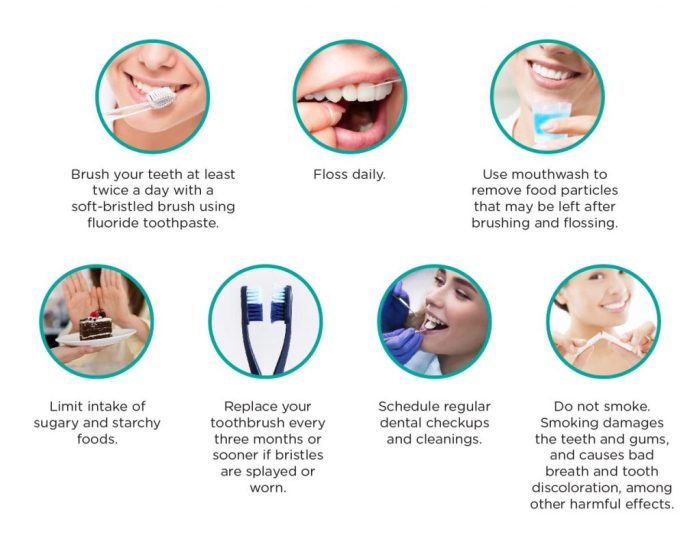
Regular brushing and flossing are essential habits for maintaining good oral hygiene. These daily practices help remove food particles and plaque from the teeth and gums, preventing issues like cavities and gum disease.
Benefits of Using Mouthwash
Using mouthwash as part of your daily oral care routine can provide additional benefits. Mouthwash helps kill bacteria in the mouth, freshens breath, and can reach areas that may be difficult to clean with a toothbrush or floss.
Significance of Regular Dental Check-ups
Regular dental check-ups play a crucial role in maintaining oral hygiene. Dentists can detect early signs of dental problems, provide professional cleanings, and offer guidance on proper oral care techniques to keep your teeth and gums healthy.
Tips for Proper Brushing and Flossing
To effectively remove plaque and maintain oral hygiene, it’s important to brush your teeth at least twice a day for two minutes each time. Use a soft-bristled toothbrush and fluoride toothpaste, focusing on all surfaces of the teeth. Additionally, flossing daily helps remove plaque and food particles from between teeth, where a toothbrush may not reach.
Emotional Wellbeing
Maintaining good oral hygiene is not just about keeping your teeth and gums healthy; it also plays a crucial role in your emotional wellbeing. The connection between oral health and emotional wellness is more significant than you might think. Poor oral health can lead to feelings of embarrassment, low self-esteem, and even social isolation.
Strategies for Managing Stress
Chronic stress can contribute to teeth grinding, also known as bruxism, which can damage your teeth and jaw. To prevent this, it’s essential to find healthy ways to manage stress. Consider incorporating stress-relieving activities such as yoga, meditation, deep breathing exercises, or talking to a therapist into your daily routine.
Boosting Self-Esteem and Confidence
When you take care of your oral health, you not only prevent dental issues but also boost your self-esteem and confidence. A healthy smile can make you feel more confident in social situations and improve your overall self-image. Remember to brush and floss daily, visit your dentist regularly, and maintain a healthy diet to keep your smile bright and your confidence high.
Incorporating Mindfulness Practices
Practicing mindfulness can help reduce stress and anxiety, leading to better emotional wellbeing. You can incorporate mindfulness into your oral care routine by focusing on the sensations and movements involved in brushing and flossing. Pay attention to each tooth and gum line as you clean them, being fully present in the moment. This mindful approach can not only improve your oral hygiene but also contribute to your overall emotional wellness.
Healthy Aging
Maintaining good oral health is crucial for overall well-being, especially as we age. As we grow older, the link between oral health and overall health becomes even more apparent. Poor oral hygiene can lead to various health issues that can impact the quality of life in our senior years.
Common Oral Health Issues for Seniors
Seniors may face common oral health issues such as gum disease, tooth decay, dry mouth, and oral cancer. To prevent these issues, it is essential for older adults to maintain a consistent oral hygiene routine. This includes brushing twice a day, flossing daily, and using mouthwash to reduce bacteria in the mouth.
Adapting Oral Hygiene Routines for Aging Individuals
As we age, our oral health needs may change. Seniors may experience issues such as arthritis, which can make brushing and flossing more challenging. To adapt to these changes, older adults can switch to a softer toothbrush, use an electric toothbrush for easier cleaning, and consider using floss picks or interdental brushes for easier flossing.
Importance of Regular Dental Visits for Older Adults
Regular dental visits are crucial for older adults to maintain good oral health. Dentists can detect early signs of oral health issues, provide professional cleanings, and offer advice on how to improve oral hygiene routines. Older adults should aim to visit the dentist at least twice a year to ensure their oral health is in check.
Active Lifestyle
Regular physical activity plays a crucial role in maintaining overall health, including oral health. Staying active can have a positive impact on your mouth as well.
Impact of Physical Activity on Oral Health
Physical activity helps improve blood circulation, which can promote healthy gums and reduce the risk of gum disease. Additionally, staying active can boost the immune system, helping the body fight off oral infections.
Contribution of Staying Active to a Healthy Mouth
Regular exercise can reduce inflammation in the body, including in the gums, which can contribute to better oral health. It can also help in reducing stress levels, which is beneficial for overall wellbeing, including oral health.
Tips for Maintaining Oral Hygiene Habits While Leading an Active Lifestyle
– Carry a travel-sized toothbrush and toothpaste for quick cleanings after meals or snacks.
– Stay hydrated by drinking water throughout the day to help wash away food particles and bacteria.
– Use sugar-free gum to freshen breath and stimulate saliva production when brushing is not possible.
Mouth-Friendly Snacks for Individuals with Active Routines
- Raw vegetables like carrots and celery can help clean teeth and provide essential nutrients.
- Nuts and seeds can be a great snack option as they are low in sugar and high in healthy fats and protein.
- Plain yogurt is a good source of calcium and probiotics, which can benefit oral health.
Cardiovascular Health
Maintaining good oral hygiene is not just essential for a healthy smile, but it can also have a positive impact on your cardiovascular health. Research suggests that there may be a potential link between oral health and heart health, highlighting the importance of taking care of your teeth and gums.
Potential Link Between Oral Health and Cardiovascular Health
- Poor oral health, especially gum disease, has been associated with an increased risk of cardiovascular issues such as heart disease and stroke.
- The bacteria from gum disease can enter the bloodstream and contribute to the inflammation of blood vessels, potentially leading to cardiovascular problems.
How Maintaining Good Oral Hygiene Can Contribute to a Healthy Heart
- Brushing your teeth twice a day, flossing daily, and visiting your dentist regularly can help prevent gum disease and reduce the risk of cardiovascular issues.
- Good oral hygiene practices can help keep harmful bacteria in check, lowering the chances of inflammation in the blood vessels.
How Gum Disease May Affect Cardiovascular Health
- Individuals with gum disease may have an increased risk of developing atherosclerosis, a condition where arteries become narrowed due to a buildup of plaque.
- Inflammation caused by gum disease can contribute to the progression of atherosclerosis, potentially leading to heart attacks or strokes.
Tips on Oral Care Practices to Support Cardiovascular Health, Healthy habits for maintaining oral hygiene
- Brush your teeth at least twice a day with fluoride toothpaste to remove plaque and bacteria.
- Floss daily to clean between teeth and along the gumline, where your toothbrush may not reach.
- Visit your dentist regularly for professional cleanings and check-ups to detect any oral health issues early on.
- Consider using an antiseptic mouthwash to help reduce bacteria in your mouth and maintain oral hygiene.
Healthy Recipes
Healthy habits for maintaining oral hygiene – When it comes to maintaining good oral health, the food we eat plays a crucial role. By incorporating nutritious ingredients into our meals, we can promote dental health and overall well-being. Here, we will explore some healthy recipes that are not only delicious but also beneficial for your teeth.
Nutrient-Rich Ingredients for Dental Health
It’s important to include foods in your diet that are rich in nutrients that support oral health. Some key ingredients to consider are:
- Leafy greens like spinach and kale, which are high in calcium for strong teeth.
- Almonds and other nuts, which provide healthy fats and vitamin E to protect gums.
- Salmon and other fatty fish, rich in omega-3 fatty acids that reduce inflammation in the gums.
- Crunchy fruits and vegetables like apples and carrots, which help clean teeth and stimulate saliva production.
Balanced Diet for Oral Hygiene
A balanced diet is essential for maintaining good oral hygiene. By including a variety of nutrient-dense foods in your meals, you can support your teeth and gums. Here are some tips on how to create teeth-friendly meals:
- Opt for whole grains like brown rice and quinoa instead of refined grains.
- Incorporate lean proteins like chicken and tofu for muscle repair and tissue health.
- Limit sugary and acidic foods that can erode enamel and cause cavities.
- Drink plenty of water throughout the day to keep your mouth hydrated and wash away food particles.
Mental Resilience
Maintaining good oral hygiene practices is not only beneficial for your physical health but also plays a significant role in enhancing mental resilience. A healthy smile can have a positive impact on your overall well-being and confidence, leading to improved mental health.
Psychological Benefits of a Healthy Smile
- A healthy smile can boost self-esteem and self-confidence, reducing feelings of anxiety and depression.
- Improved oral health can help in building positive relationships and social connections, leading to a sense of belonging and support.
- A bright smile can enhance your mood and outlook on life, promoting a more positive mindset.
Strategies for Maintaining Oral Health During Challenging Times
- Stick to a consistent oral care routine, including brushing twice a day and flossing daily, even during stressful periods.
- Stay hydrated and limit sugary snacks and drinks to maintain good oral health, especially when facing challenges.
- Regularly visit your dentist for check-ups and cleanings to prevent oral health issues from escalating during difficult times.
Tips to Establish a Positive Mindset Towards Oral Care Routines
- View oral care as a form of self-care and self-love, prioritizing your well-being and health.
- Celebrate small victories in your oral hygiene routine, such as completing a full week of consistent flossing or using mouthwash daily.
- Practice mindfulness during your oral care routine, focusing on the present moment and the benefits it brings to your overall health.
Immune Support
Maintaining good oral hygiene is not just important for your teeth and gums, but it also plays a crucial role in supporting your immune system. A healthy mouth can contribute to overall immune function and help the body fight off infections more effectively.
Connection Between Oral Health and Immune System Strength
Poor oral health can lead to the growth of harmful bacteria in the mouth, which can then enter the bloodstream and weaken the immune system. This weakened immune system makes it harder for the body to defend against infections and illnesses.
- Brushing and flossing regularly can help remove bacteria and prevent oral infections that could compromise the immune system.
- Visiting your dentist for regular check-ups and cleanings can also help maintain oral health and prevent any potential issues that may impact your immune system.
- Avoiding sugary foods and drinks can reduce the risk of cavities and gum disease, which can have negative effects on immune function.
Impact of Oral Health on the Body’s Ability to Fight Infections
A healthy mouth can act as a barrier against harmful bacteria, viruses, and other pathogens that can enter the body through the mouth. By keeping your mouth clean and free of infection, you can help bolster your immune system and improve its ability to protect you from illnesses.
Remember, a healthy mouth is not just about a beautiful smile—it’s also about supporting your body’s natural defenses and overall well-being.
Stress Relief
Maintaining oral hygiene is not only essential for physical health but also plays a significant role in stress relief and relaxation. The state of our oral health can directly affect our overall well-being, including our mental and emotional state.
Incorporating Oral Care into Stress-Relief Routines
- Practice mindful brushing and flossing: Focus on the sensations and movements involved in cleaning your teeth and gums, and let go of any stressful thoughts.
- Use aromatherapy: Incorporate calming essential oils like lavender or chamomile while brushing your teeth to create a soothing atmosphere.
- Listen to calming music or guided meditations: Play relaxing music or guided meditations during your oral care routine to promote a sense of calm and relaxation.
- Take deep breaths: Before and after brushing your teeth, take a few deep breaths to help reduce stress and tension in your body.
Creating a Calming Environment for Oral Hygiene Practices
- Dim the lights: Lowering the lights in your bathroom can help create a more relaxing environment for oral care.
- Use a comfortable chair: Sit in a comfortable chair while brushing your teeth to ease any tension in your body.
- Add plants or natural elements: Incorporate plants or natural elements into your bathroom space to promote a sense of tranquility.
- Keep distractions away: Avoid using your phone or watching TV while brushing your teeth to fully focus on the present moment.
Benefits of Mindfulness in Reducing Stress-Related Oral Health Issues
- Reduces teeth grinding: Mindfulness practices can help decrease teeth grinding, a common issue linked to stress and anxiety.
- Improves gum health: Being mindful during oral care routines can lead to better gum health, as stress is a contributing factor to gum disease.
- Promotes overall well-being: Practicing mindfulness not only benefits your oral health but also your mental and emotional well-being, leading to a healthier lifestyle.
Nutritional Balance: Healthy Habits For Maintaining Oral Hygiene
Maintaining a balanced diet is crucial for good oral health. The nutrients we consume play a significant role in keeping our teeth and gums healthy. Let’s delve into the importance of nutritional balance for optimal oral hygiene.
Impact of Diet on Oral Health
Our diet directly affects the health of our teeth and gums. Consuming sugary and acidic foods can lead to tooth decay and gum disease. On the other hand, a diet rich in essential nutrients promotes strong teeth and healthy gums.
- Calcium: Calcium is essential for maintaining strong teeth and bones. It helps to protect tooth enamel and prevent decay.
- Vitamin C: Vitamin C is crucial for gum health as it helps prevent inflammation and promotes healing.
- Vitamin D: Vitamin D is important for the absorption of calcium, which is necessary for healthy teeth.
Tips for Maintaining a Balanced Diet
To promote optimal oral hygiene, it’s important to include a variety of nutrient-rich foods in your diet. Here are some tips to help you maintain a balanced diet for healthy teeth and gums:
- Limit sugary and acidic foods and beverages that can harm your teeth.
- Include plenty of fruits and vegetables rich in vitamins and minerals.
- Choose whole grains over refined carbohydrates for better overall health.
- Drink plenty of water to help rinse away food particles and keep your mouth hydrated.
Foods for Good Oral Health
Certain foods can promote good oral health and contribute to overall nutritional balance. Incorporate the following foods into your diet for healthy teeth and gums:
- Dairy products like milk and cheese for calcium and phosphorus.
- Leafy greens such as spinach and kale for vitamins and minerals.
- Citrus fruits like oranges and kiwi for vitamin C.
- Fatty fish like salmon for vitamin D and omega-3 fatty acids.
Frequently Asked Questions
How often should I brush and floss?
It is recommended to brush at least twice a day and floss once a day to maintain optimal oral hygiene.
Can mouthwash replace brushing and flossing?
No, mouthwash is a supplementary step and should not replace brushing and flossing, which are essential for plaque removal.
Why are regular dental check-ups important?
Regular dental check-ups help in early detection of any oral issues and ensure proper maintenance of oral health.


More Stories