Healthy Habits for Pregnant Women
Maintaining a healthy lifestyle during pregnancy is crucial for both the mother and the baby. This includes following a balanced diet, engaging in regular exercise, staying hydrated, and taking prenatal vitamins and supplements.
Importance of Maintaining a Balanced Diet
Healthy habits for pregnant women – A balanced diet rich in nutrients is essential for the proper growth and development of the baby. It also helps in preventing complications during pregnancy and ensures the well-being of the mother.
- Eat a variety of fruits, vegetables, whole grains, lean proteins, and dairy products.
- Avoid processed foods, sugary snacks, and high-fat meals.
- Consult a healthcare provider for personalized dietary recommendations.
Benefits of Regular Exercise
Exercise helps in improving circulation, reducing stress, and promoting overall health during pregnancy. It can also aid in preparing the body for labor and delivery.
- Engage in low-impact activities like walking, swimming, or prenatal yoga.
- Avoid strenuous exercises and contact sports that may pose a risk to the baby.
- Consult a healthcare provider before starting any exercise routine.
Tips for Staying Hydrated
Proper hydration is essential for the body’s functions and can help in preventing conditions like dehydration and urinary tract infections during pregnancy.
- Drink at least 8-10 cups of water per day.
- Include hydrating foods like watermelon, cucumber, and oranges in your diet.
- Carry a water bottle with you to remind yourself to drink water regularly.
Significance of Prenatal Vitamins and Supplements
Prenatal vitamins are specially formulated to meet the increased nutrient needs of pregnant women. They help in filling any nutritional gaps and supporting the healthy development of the baby.
- Take prenatal vitamins containing folic acid, iron, calcium, and other essential nutrients recommended by healthcare providers.
- Discuss any specific dietary requirements or concerns with your healthcare provider.
- Avoid self-medicating and always consult a healthcare professional before taking any supplements.
Emotional Wellbeing
Emotional wellbeing plays a crucial role in the overall health of pregnant women. It can impact not only the mother’s mental health but also the physical development of the baby. Managing stress and anxiety during pregnancy is essential to ensure a healthy and positive experience for both the mother and the baby.
Strategies for Managing Stress and Anxiety
- Practice deep breathing exercises to calm the mind and body.
- Engage in regular physical activity, such as prenatal yoga or walking.
- Express your feelings through journaling or talking to a trusted friend or therapist.
- Establish a daily routine to create a sense of stability and control.
- Avoid triggers that increase stress, such as excessive caffeine or negative news.
Importance of Seeking Support
- Reach out to family and friends for emotional support and understanding.
- Consider joining a prenatal support group to connect with other expecting mothers.
- Consult with a mental health professional if you’re struggling to cope with stress and anxiety.
Mindfulness and Relaxation Techniques
- Practice meditation or guided imagery to promote relaxation and reduce anxiety.
- Engage in gentle stretching exercises to release tension in the body.
- Take breaks throughout the day to rest and recharge your energy.
- Listen to calming music or nature sounds to create a peaceful environment.
Healthy Aging
Adopting healthy habits during pregnancy can have a significant impact on healthy aging later in life. By taking care of your body and overall wellbeing during pregnancy, you are setting the foundation for a healthier future as you age.
Nutrition for Healthy Aging
Nutrition plays a crucial role in supporting healthy aging for both the mother and the baby during pregnancy. Consuming a balanced diet rich in essential nutrients, vitamins, and minerals not only promotes the development of a healthy baby but also supports the mother’s overall health and wellbeing.
Skin Health and Stretch Marks Prevention
Maintaining skin health and preventing stretch marks during pregnancy is essential for overall wellbeing. Staying hydrated, moisturizing the skin regularly, and incorporating gentle stretching exercises can help improve skin elasticity and reduce the appearance of stretch marks.
Importance of Sleep and Rest, Healthy habits for pregnant women
Adequate sleep and rest are vital for overall wellbeing, especially during pregnancy. Getting enough rest and quality sleep can help reduce stress, improve mood, and support the body’s natural healing processes, contributing to healthy aging in the long run.
Active Lifestyle
Staying active and fit during pregnancy can bring numerous benefits to both the mother and the baby. It can help reduce discomfort, improve mood, increase energy levels, and promote better sleep. Additionally, maintaining physical activity can help prepare the body for labor and delivery.
Safe Exercises and Physical Activities
- Walking: A low-impact exercise that can be done at any stage of pregnancy.
- Swimming: Provides a full-body workout while being gentle on the joints.
- Prenatal yoga: Helps improve flexibility, strength, and relaxation.
- Pilates: Focuses on core strength, which can be beneficial during pregnancy.
Tips for Incorporating Movement Into Daily Routines
- Schedule regular short walks throughout the day.
- Take the stairs instead of the elevator whenever possible.
- Join a prenatal fitness class to stay motivated and meet other expecting mothers.
- Include activities like gardening or dancing to make exercise more enjoyable.
Importance of Listening to the Body
It is essential for pregnant women to listen to their bodies and adjust their activity levels accordingly. If feeling fatigued or experiencing discomfort, it is important to rest and not push too hard. Consulting with a healthcare provider before starting any new exercise routine is recommended to ensure safety and appropriateness for the individual’s pregnancy.
Cardiovascular Health
Healthy habits during pregnancy play a crucial role in promoting cardiovascular health for both the mother and the baby. Taking care of your heart can reduce the risk of complications and ensure a smoother pregnancy journey.
Impact of Blood Pressure and Cholesterol Levels
Maintaining optimal blood pressure and cholesterol levels is essential for maternal health during pregnancy. High blood pressure can lead to preeclampsia, a serious condition that affects both the mother and the baby. Similarly, elevated cholesterol levels can increase the risk of heart-related issues.
Tips for Healthy Heart During Pregnancy
- Aim for a balanced diet rich in fruits, vegetables, whole grains, and lean proteins to support heart health.
- Stay physically active with exercises suitable for pregnant women, such as walking, swimming, or prenatal yoga.
- Avoid smoking and limit caffeine intake to protect your heart and overall health.
- Monitor your blood pressure and cholesterol levels regularly with the guidance of your healthcare provider.
Warning Signs of Cardiovascular Issues
It is important to be aware of warning signs that may indicate cardiovascular issues during pregnancy. These signs include chest pain, shortness of breath, dizziness, and swelling in the legs or ankles. If you experience any of these symptoms, seek medical attention immediately.
Healthy Recipes
Incorporating nutritious and balanced recipes into a pregnant woman’s diet is crucial for both her health and the development of the baby. These recipes should focus on providing essential nutrients while avoiding foods that might pose risks during pregnancy.
Meal Planning Ideas
- Include a variety of fruits and vegetables to ensure a wide range of vitamins and minerals.
- Incorporate whole grains like quinoa, brown rice, and oats for fiber and sustained energy.
- Choose lean proteins such as chicken, fish, tofu, and legumes to support muscle growth and repair.
- Opt for healthy fats from sources like avocados, nuts, and olive oil to aid in brain development.
Avoid Certain Foods
- Avoid raw or undercooked meats and seafood to prevent foodborne illnesses.
- Avoid unpasteurized dairy products to reduce the risk of bacterial contamination.
- Avoid high-mercury fish like swordfish and shark to prevent potential harm to the baby’s nervous system.
- Avoid excessive caffeine and alcohol consumption as they can have negative effects on fetal development.
Mental Resilience
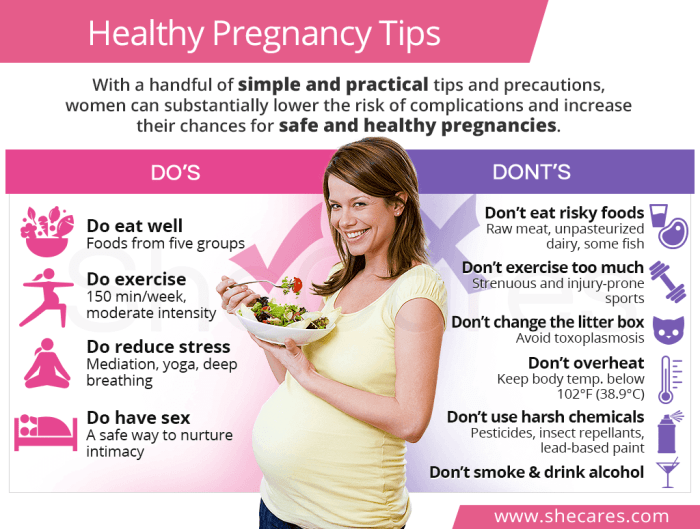
Building mental resilience is crucial for pregnant women as it helps them navigate the challenges and changes that come with pregnancy. It involves developing the ability to bounce back from setbacks, cope with stress, and maintain a positive mindset throughout the journey.
Strategies for Building Mental Strength
- Practice mindfulness and relaxation techniques such as deep breathing and meditation to reduce stress and anxiety.
- Stay connected with supportive friends and family members who can provide emotional support and encouragement.
- Engage in regular physical activity to boost mood and improve overall mental wellbeing.
- Seek professional help if needed by consulting a therapist or counselor to address any emotional challenges.
Impact of a Positive Mindset
A positive mindset can significantly impact the pregnancy journey by reducing the risk of complications, improving overall health outcomes, and enhancing the bond between the mother and the baby. Pregnant women who maintain a positive outlook are better equipped to handle the ups and downs of pregnancy with resilience and grace.
Stories of Resilience and Empowerment
Many pregnant women have shown remarkable resilience and strength in the face of adversity. From managing pregnancy complications to dealing with emotional challenges, these women have inspired others with their courage and determination. Their stories serve as a reminder of the power of mental resilience in overcoming obstacles and embracing the journey of motherhood.
Immune Support
Maintaining a strong immune system is crucial for pregnant women to protect both their own health and the health of their developing baby. A well-functioning immune system helps to fight off infections and illnesses, reducing the risk of complications during pregnancy.
Boosting Immunity Through Diet
- Eat a balanced diet rich in fruits, vegetables, whole grains, lean proteins, and healthy fats to provide essential nutrients for immune function.
- Include foods high in vitamin C (such as citrus fruits, bell peppers) and vitamin E (such as nuts, seeds) to support immune health.
- Consume probiotic-rich foods like yogurt and kefir to promote a healthy gut microbiome, which plays a key role in immune function.
Supplements for Immune Support
- Consider taking prenatal vitamins containing key nutrients like vitamin D, folic acid, and iron to support immune health.
- Consult with your healthcare provider about additional supplements like vitamin C, zinc, and probiotics to boost immunity during pregnancy.
Lifestyle Habits for a Healthy Immune System
- Get regular exercise to enhance immune function and reduce stress, which can weaken the immune system.
- Practice good hygiene, such as washing hands frequently and avoiding contact with sick individuals, to prevent infections.
- Get plenty of rest and manage stress levels through relaxation techniques like meditation or yoga to support immune health.
Vaccines for Pregnant Women
- Ensure you are up to date on vaccinations recommended for pregnant women, such as the flu shot and Tdap vaccine, to protect against infections that can be harmful during pregnancy.
- Discuss any concerns or questions about vaccines with your healthcare provider to make informed decisions about your immunization schedule.
Stress Relief
Pregnancy can bring about a mix of emotions and stress for women. It is essential to find effective ways to relieve stress during this crucial time to ensure the well-being of both the mother and the baby.
Effective Stress Relief Techniques
- Practice yoga: Yoga helps in reducing stress levels, improving flexibility, and promoting relaxation.
- Engage in meditation: Meditation can calm the mind, enhance self-awareness, and reduce anxiety.
- Deep breathing exercises: Deep breathing techniques can lower stress hormones and promote a sense of calmness.
Creating a Calming Environment at Home
- Declutter your space: A tidy and organized environment can have a positive impact on your mental well-being.
- Add soothing elements: Incorporate soft lighting, calming scents, and comfortable furniture to create a tranquil atmosphere.
- Play relaxing music: Listening to gentle music can help in reducing stress and promoting relaxation.
Importance of Self-Care During Pregnancy
- Take breaks when needed: It is important to prioritize self-care and take breaks to rest and rejuvenate.
- Seek support: Reach out to loved ones, friends, or a healthcare provider for emotional support and guidance.
- Practice mindfulness: Stay present in the moment and focus on self-care activities to alleviate stress and anxiety.
Nutritional Balance
Proper nutrition is crucial for pregnant women to support the health and development of both the mother and the baby. Nutritional balance refers to consuming a variety of foods in the right amounts to provide essential nutrients for a healthy pregnancy.
Key Nutrients for a Healthy Pregnancy
- Iron: Important for the production of red blood cells and preventing anemia.
- Folic Acid: Vital for preventing birth defects of the brain and spine.
- Calcium: Essential for the development of strong bones and teeth in the baby.
- Protein: Necessary for the growth and repair of tissues.
- Omega-3 Fatty Acids: Support brain and eye development in the baby.
Tips for Meal Planning
- Include a variety of fruits, vegetables, whole grains, lean proteins, and dairy in your diet.
- Aim for a colorful plate to ensure a diverse range of nutrients.
- Avoid processed foods high in sugar, salt, and unhealthy fats.
- Stay hydrated by drinking plenty of water throughout the day.
Impact of Nutritional Deficiencies
Nutritional deficiencies during pregnancy can lead to complications such as premature birth, low birth weight, birth defects, and maternal health issues. It is crucial to address any deficiencies through proper diet and prenatal supplements to support a healthy pregnancy.
FAQ Summary
How important is it to maintain a balanced diet during pregnancy?
Maintaining a balanced diet during pregnancy is crucial as it provides essential nutrients for the health and development of both the mother and the baby.
What are some safe exercises recommended for pregnant women?
Low-impact exercises like walking, swimming, and prenatal yoga are generally safe and beneficial for pregnant women.
How can pregnant women boost their immune system?
Pregnant women can boost their immune system through a healthy diet, adequate rest, and following their healthcare provider’s recommendations for vaccinations.
Are there specific foods pregnant women should avoid?
Pregnant women should avoid raw or undercooked meats, unpasteurized dairy products, and certain types of fish high in mercury to minimize risks during pregnancy.
What are some effective stress relief techniques for pregnant women?
Practicing mindfulness, deep breathing exercises, and engaging in activities like prenatal massage can help pregnant women alleviate stress and promote relaxation.


More Stories