Introduction to Macronutrients
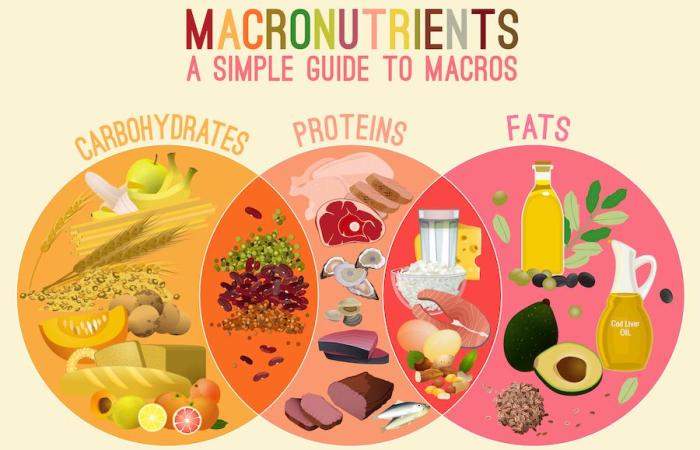
How to balance macronutrients in your diet – Macronutrients are essential nutrients that provide energy and are needed in large amounts by the body to function properly. They include carbohydrates, proteins, and fats, each playing a crucial role in maintaining overall health.
Carbohydrates
Carbohydrates are the body’s main source of energy, providing fuel for daily activities and bodily functions. They are found in foods like fruits, vegetables, grains, and dairy products.
Proteins
Proteins are necessary for building and repairing tissues, as well as supporting immune function and hormone production. Good sources of protein include meat, fish, eggs, dairy, legumes, and nuts.
Fats
Fats are important for energy storage, hormone production, and the absorption of fat-soluble vitamins. Healthy fats can be found in foods like avocados, nuts, seeds, and olive oil.
Balancing macronutrients is essential for overall health as each one serves a specific purpose in the body. Consuming the right proportions of carbohydrates, proteins, and fats can help maintain energy levels, support muscle growth, and regulate metabolism.
How to Calculate Macronutrient Needs
Determining individual macronutrient requirements is crucial for maintaining a balanced diet. Several factors come into play when calculating these needs, such as age, gender, activity level, and specific health or fitness goals. It is essential to understand the significance of these factors to tailor your macronutrient intake to your unique needs effectively.
Factors Affecting Macronutrient Needs
- Your age plays a significant role in determining your macronutrient requirements. Younger individuals may need more energy from carbohydrates, while older adults might benefit from a higher protein intake to support muscle health.
- Gender also influences macronutrient needs, with men generally requiring more calories and protein compared to women due to differences in muscle mass and metabolic rate.
- Your activity level is a crucial factor in calculating macronutrient needs. Those who engage in regular exercise or have physically demanding jobs may need more carbohydrates for energy and protein for muscle recovery.
- Your specific health or fitness goals, whether it’s weight loss, muscle gain, or improved athletic performance, will also impact your macronutrient requirements. For example, individuals looking to build muscle may need a higher protein intake, while those aiming to lose weight might benefit from a controlled carbohydrate intake.
Consulting a Healthcare Professional or Nutritionist
It is highly recommended to consult with a healthcare professional or nutritionist when determining your macronutrient needs. These experts can provide personalized guidance based on your individual factors and goals, ensuring that you meet your nutritional requirements while optimizing your overall health and well-being.
Balancing Carbohydrates
Carbohydrates are essential nutrients that provide the body with energy. There are two main types of carbohydrates: complex carbohydrates and simple sugars.
Complex carbohydrates, also known as starches, are found in foods like whole grains, vegetables, and legumes. They take longer to digest and provide a steady release of energy, making them ideal for sustaining energy levels throughout the day.
Simple sugars, on the other hand, are found in foods like fruits, honey, and sugary snacks. While they can provide a quick energy boost, they are quickly digested and can lead to energy crashes if consumed in excess.
Healthy Sources of Carbohydrates
- Whole grains such as brown rice, quinoa, and oats
- Fruits like apples, bananas, and berries
- Vegetables including sweet potatoes, broccoli, and spinach
- Legumes such as lentils, chickpeas, and black beans
Balance of Complex Carbohydrates and Simple Sugars
When planning your meals, aim to include a mix of complex carbohydrates and simple sugars to maintain stable energy levels. For example, pair a serving of brown rice (complex carbohydrate) with some berries (simple sugar) for a balanced meal. This combination will provide sustained energy without causing spikes and crashes in blood sugar levels.
Optimizing Protein Intake
Proteins play a crucial role in muscle building, repair, and overall health. They are made up of amino acids, which are the building blocks of our body and are essential for various bodily functions. It is important to incorporate adequate protein into our diet to support these functions.
Incorporating Lean Proteins into Daily Meals
- Include lean sources of protein such as chicken, turkey, fish, tofu, legumes, and low-fat dairy products in your meals.
- Opt for grilled, baked, or steamed protein sources rather than fried or breaded options to reduce unnecessary fat intake.
- Add protein-rich snacks like Greek yogurt, nuts, seeds, or protein bars to keep your protein intake consistent throughout the day.
Balancing Animal-Based and Plant-Based Protein Sources
- While animal-based proteins are rich in essential amino acids, they can also be high in saturated fats. Balance your intake by including lean cuts of meat and opting for skinless poultry.
- Incorporate plant-based proteins like legumes, nuts, seeds, quinoa, and tofu to increase your intake of fiber and essential nutrients while reducing saturated fat intake.
- Consider combining animal and plant-based proteins in your meals to ensure a well-rounded protein intake that supports muscle growth and overall health.
Managing Healthy Fats
Healthy fats play a crucial role in our overall health and well-being. It is essential to differentiate between good fats and bad fats as they can have varying effects on the body.
Good Fats vs. Bad Fats
- Good fats, such as monounsaturated and polyunsaturated fats, can help improve cholesterol levels and reduce the risk of heart disease.
- Bad fats, like trans fats and saturated fats, can increase cholesterol levels and contribute to heart disease and other health issues.
- It is important to limit the intake of bad fats while incorporating good fats into your diet.
Healthy Fat Sources
Avocados, nuts, seeds, olive oil, and fatty fish are excellent sources of healthy fats that can help provide essential nutrients and support overall health.
Importance of Omega-3 Fatty Acids
- Omega-3 fatty acids are crucial for brain health, heart health, and reducing inflammation in the body.
- Incorporating sources of omega-3 fatty acids, such as salmon, chia seeds, flaxseeds, and walnuts, into your diet can have numerous benefits for overall well-being.
Strategies for Balancing Macronutrients
Creating balanced meals with the right combination of macronutrients is essential for overall health and well-being. By incorporating portion control and mindful eating, you can ensure that you are getting the right balance of carbohydrates, proteins, and fats in your diet.
Portion Control and Mindful Eating
- Avoid oversized portions by using smaller plates or measuring cups to help control serving sizes.
- Listen to your body’s hunger and fullness cues to prevent overeating and promote mindful eating.
- Eat slowly and savor each bite to enhance satisfaction and prevent mindless snacking.
Meal Planning for Balanced Macronutrients
- Include a variety of food groups in your meals to ensure a well-rounded intake of macronutrients.
- Plan your meals ahead of time to avoid impulse eating and to make sure you are getting the right balance of carbohydrates, proteins, and fats.
- Experiment with different recipes and ingredients to keep your meals interesting and nutrient-dense.
Importance of Nutritional Balance for Healthy Aging: How To Balance Macronutrients In Your Diet
Maintaining a balanced intake of macronutrients is crucial for supporting healthy aging and preventing age-related diseases. As we grow older, our bodies require specific nutrients to function optimally and combat the effects of aging.
Nutrient-Dense Foods for Longevity and Vitality
Eating nutrient-dense foods can promote longevity and vitality in older adults. These foods are rich in essential vitamins, minerals, and antioxidants that help protect cells from damage and support overall health. Some examples of nutrient-dense foods include:
- Leafy green vegetables such as spinach and kale
- Fatty fish like salmon and sardines
- Nuts and seeds like almonds and chia seeds
- Whole grains such as quinoa and brown rice
- Colorful fruits like berries and citrus fruits
Impact of Macronutrient Imbalance on Aging-related Health Issues
An imbalance in macronutrients can have negative effects on aging-related health issues. For example, consuming excessive amounts of refined carbohydrates and unhealthy fats can contribute to inflammation, insulin resistance, and oxidative stress, all of which are risk factors for chronic diseases like diabetes, heart disease, and cognitive decline. It is essential to maintain a balanced intake of carbohydrates, proteins, and fats to support healthy aging and overall well-being.
Emotional Wellbeing and Nutritional Balance
Emotional wellbeing is closely intertwined with our dietary choices, as the food we consume plays a significant role in shaping our mood and mental health. When we prioritize balanced macronutrients in our diet, we can experience a positive impact on our overall wellbeing.
The Impact of Balanced Macronutrients on Mood and Mental Wellbeing
Consuming a diet rich in balanced macronutrients can help stabilize blood sugar levels, which in turn can prevent mood swings and promote a more stable emotional state. Proteins, carbohydrates, and healthy fats all play a crucial role in supporting brain function and neurotransmitter production, which are essential for maintaining good mental health.
- Proteins: Include sources of lean protein such as poultry, fish, tofu, and legumes to support the production of neurotransmitters like serotonin and dopamine, which are linked to feelings of happiness and wellbeing.
- Carbohydrates: Opt for complex carbohydrates like whole grains, fruits, and vegetables to provide a steady release of energy throughout the day, preventing energy crashes that can lead to irritability and mood fluctuations.
- Healthy Fats: Incorporate sources of healthy fats such as avocados, nuts, seeds, and olive oil to support brain health and cognitive function, which can have a positive impact on mood regulation and emotional stability.
The Importance of Nourishing the Body for Emotional Resilience
Nourishing our bodies with a balanced diet not only supports physical health but also plays a crucial role in building emotional resilience and stability. A well-nourished body is better equipped to cope with stress, manage emotions effectively, and maintain a positive outlook on life.
By prioritizing balanced macronutrients in our diet, we can create a strong foundation for emotional wellbeing and overall mental health.
Immune Support through Balanced Nutrition
Maintaining a balanced diet rich in essential macronutrients is crucial for supporting a healthy immune system. Macronutrients such as proteins, carbohydrates, and fats play a significant role in strengthening immune function and overall health.
Role of Macronutrients in Immune Function
- Proteins: Essential for building and repairing cells, including immune cells that help fight off infections and diseases.
- Carbohydrates: Provide energy for immune cells to function effectively and support overall immune response.
- Fats: Healthy fats like omega-3 fatty acids help reduce inflammation and support immune function.
Foods that Support Immune Function
- Foods rich in Vitamin C: Citrus fruits, strawberries, bell peppers
- Foods rich in Vitamin D: Fatty fish, fortified dairy products, sunlight exposure
- Foods rich in Zinc: Lean meats, nuts, seeds, legumes
- Foods rich in Antioxidants: Berries, green leafy vegetables, nuts
Impact of Poor Nutritional Balance on Immune Health
Poor nutritional balance can weaken the immune system, making individuals more susceptible to illnesses and infections. Lack of essential nutrients can impair immune function and compromise the body’s ability to defend against pathogens.
Active Lifestyle and Macronutrient Needs
Regular physical activity significantly impacts the body’s macronutrient requirements. Whether you are an athlete, gym-goer, or simply enjoy an active lifestyle, adjusting your carbohydrate, protein, and fat intake is crucial to support your energy levels, muscle recovery, and overall performance.
Adjusting Macronutrient Intake Based on Physical Activity Levels
- Carbohydrates: Increase your carbohydrate intake to fuel your workouts and replenish glycogen stores. Aim to consume complex carbohydrates like whole grains, fruits, and vegetables for sustained energy.
- Protein: Boost your protein intake to support muscle repair and growth. Include lean sources of protein such as poultry, fish, tofu, or legumes in your meals to aid in recovery.
- Fats: Maintain a moderate intake of healthy fats like avocados, nuts, and olive oil to provide essential fatty acids and support overall health.
Remember, the key is to balance your macronutrients to meet the demands of your active lifestyle while promoting optimal performance and recovery.
Importance of Post-Exercise Refueling
- After a workout, refuel your body with a combination of carbohydrates and protein to replenish glycogen stores and support muscle recovery.
- Consider consuming a balanced meal or snack within 30 minutes to 2 hours post-exercise to maximize nutrient absorption and enhance recovery.
- Hydration is also crucial, so be sure to drink plenty of water to replace fluids lost during physical activity.
Cardiovascular Health and Balanced Diet
Maintaining a balanced diet plays a crucial role in promoting cardiovascular health. The right combination of macronutrients can help lower the risk of heart disease and support overall heart function.
Relationship between Macronutrient Balance and Heart Health
A diet rich in whole grains, lean proteins, healthy fats, and a variety of fruits and vegetables can help reduce inflammation, lower cholesterol levels, and regulate blood pressure. These factors are essential for a healthy heart and can be achieved through a well-balanced intake of macronutrients.
Heart-Healthy Foods
- Salmon: Rich in omega-3 fatty acids, salmon can help reduce the risk of heart disease and improve overall heart health.
- Leafy Greens: Vegetables like spinach, kale, and Swiss chard are packed with vitamins, minerals, and antioxidants that support cardiovascular function.
- Berries: Blueberries, strawberries, and raspberries are high in antioxidants and fiber, which can help lower cholesterol and improve heart health.
Reducing Saturated Fats and Increasing Fiber Intake
- Limiting foods high in saturated fats like red meat, butter, and full-fat dairy products can help lower cholesterol levels and reduce the risk of heart disease.
- Incorporating fiber-rich foods such as whole grains, legumes, fruits, and vegetables can aid in digestion, regulate blood sugar levels, and promote heart health.
Stress Relief and Nutritional Balance
Eating a well-balanced diet that includes the right combination of macronutrients can play a significant role in managing stress levels and promoting overall emotional wellbeing. Nutritional balance is essential for supporting the body’s ability to cope with stress and anxiety.
Foods for Calming Effect
- Include complex carbohydrates such as whole grains, fruits, and vegetables in your diet. These foods help in the production of serotonin, a neurotransmitter that promotes feelings of calmness and relaxation.
- Incorporate sources of omega-3 fatty acids like fatty fish, flaxseeds, and walnuts. Omega-3s have been linked to reducing anxiety and improving mood.
- Opt for magnesium-rich foods like nuts, seeds, dark leafy greens, and legumes. Magnesium plays a role in regulating stress responses and promoting relaxation.
Impact of Nutritional Deficiencies on Stress
- Nutritional deficiencies, especially in key nutrients like magnesium, B vitamins, and omega-3 fatty acids, can contribute to increased stress levels and heightened anxiety.
- Inadequate intake of these essential nutrients can impair the body’s ability to manage stress effectively, leading to mood disturbances and emotional imbalances.
- It is important to address any nutritional gaps in your diet through balanced macronutrient intake to support your body’s stress response mechanisms.
Healthy Recipes for Macronutrient Balance
When it comes to maintaining a balanced diet, incorporating healthy recipes that provide the right proportions of carbohydrates, proteins, and fats is essential. These recipes not only help in meeting your macronutrient needs but also ensure that you are getting a variety of nutrients for overall health and wellbeing.
Quinoa Salad with Grilled Chicken
Quinoa is a great source of complex carbohydrates and plant-based protein, while grilled chicken adds lean protein to the mix. This salad is also packed with colorful vegetables like bell peppers, cucumbers, and cherry tomatoes, providing essential vitamins and minerals.
- Cook quinoa according to package instructions and let it cool.
- Grill chicken breast seasoned with herbs and spices until fully cooked.
- Combine quinoa, sliced chicken, and chopped vegetables in a bowl.
- Dress with a light vinaigrette made from olive oil, lemon juice, and herbs.
Salmon and Asparagus Foil Pack
This simple and delicious recipe combines heart-healthy fats from salmon with fiber-rich asparagus for a well-rounded meal. The foil pack method helps retain nutrients and flavors while keeping the dish low in added fats.
- Place a salmon fillet on a piece of foil and season with salt, pepper, and lemon slices.
- Add trimmed asparagus spears next to the salmon and drizzle with olive oil.
- Seal the foil into a pouch and bake in the oven until the salmon is cooked through.
- Serve with a side of quinoa or brown rice for added carbohydrates.
Greek Yogurt Parfait
This breakfast or snack option is a great way to balance carbohydrates from fruits, protein from Greek yogurt, and healthy fats from nuts or seeds. It’s a versatile recipe that can be customized with different fruits and toppings to suit your preferences.
- Layer Greek yogurt with mixed berries and granola in a glass or bowl.
- Top with a drizzle of honey or a sprinkle of chia seeds for added nutrients.
- Repeat the layers and finish with a dollop of yogurt and a few more berries.
- Enjoy this creamy and satisfying parfait any time of the day!
Enhancing Mental Resilience through Nutrition
Nutrition plays a crucial role in supporting our cognitive function and mental clarity. The foods we consume directly impact our brain health, focus, and memory. A well-balanced diet is essential for promoting mental resilience and overall wellbeing.
Foods that Support Brain Health
- Omega-3 fatty acids found in fatty fish like salmon and walnuts are known to support brain health and improve cognitive function.
- Blueberries are rich in antioxidants that help protect the brain from oxidative stress and may improve memory.
- Dark leafy greens such as spinach and kale are high in vitamins and minerals that support brain function.
Importance of a Well-Balanced Diet for Mental Resilience, How to balance macronutrients in your diet
- A diet rich in whole grains, lean proteins, healthy fats, and a variety of fruits and vegetables provides the necessary nutrients for optimal brain function.
- Balancing macronutrients like carbohydrates, proteins, and fats ensures a steady supply of energy to the brain, supporting mental clarity and focus.
- Consuming adequate water and staying hydrated is vital for proper brain function and cognitive performance.
Clarifying Questions
How can I determine my individual macronutrient requirements?
To calculate your macronutrient needs, consider factors like age, gender, activity level, and health goals. Consulting a healthcare professional or nutritionist can also provide personalized guidance.
What are some examples of healthy fat sources?
Healthy fat sources include avocados, nuts, seeds, and olive oil. These fats are beneficial for heart and brain health when consumed in moderation.
Why is it important to balance animal-based and plant-based protein sources?
By incorporating a variety of protein sources, you can ensure you’re getting a complete amino acid profile and a range of nutrients that support overall health.


More Stories