Healthy Habits
Incorporating daily healthy habits into your routine can significantly contribute to stress relief and overall well-being. These habits not only help in managing stress but also promote physical and mental health, leading to a more balanced and fulfilling life.
Regular Exercise
Regular physical activity is essential for reducing stress levels and improving mood. Engaging in activities like walking, jogging, yoga, or dancing can help release endorphins, also known as the “feel-good” hormones, which can uplift your spirits and reduce stress.
Healthy Eating
Eating a balanced diet rich in fruits, vegetables, whole grains, and lean proteins can provide your body with the necessary nutrients to combat stress. Avoiding excessive caffeine, sugar, and processed foods can help stabilize your energy levels and mood throughout the day.
Adequate Sleep
Getting enough quality sleep is crucial for managing stress and enhancing overall well-being. Aim for 7-9 hours of sleep each night and establish a bedtime routine to promote relaxation before sleep. Quality rest can help you cope better with daily stressors.
Mindfulness Practices
Incorporating mindfulness practices such as meditation, deep breathing exercises, or yoga into your daily routine can help calm your mind and reduce stress. These practices promote self-awareness, focus, and relaxation, allowing you to navigate challenges with a clear and centered mind.
Time Management
Effective time management is key to reducing stress and improving productivity. Prioritize tasks, set realistic goals, and delegate responsibilities when needed. Creating a structured schedule can help you stay organized and prevent feeling overwhelmed by daily demands.
Social Connections
Maintaining strong social connections with friends, family, or support groups can provide emotional support during stressful times. Engaging in meaningful conversations, sharing experiences, and seeking help when needed can foster a sense of belonging and reduce feelings of isolation.
Emotional Wellbeing
Breathing exercises play a crucial role in enhancing emotional wellbeing by helping to regulate emotions, reduce stress, and promote relaxation. These exercises can have a profound impact on our mental state and overall emotional health.
Techniques to Improve Emotional Resilience
- Diaphragmatic Breathing: Also known as deep belly breathing, this technique involves breathing deeply into the diaphragm to help calm the nervous system and reduce feelings of anxiety.
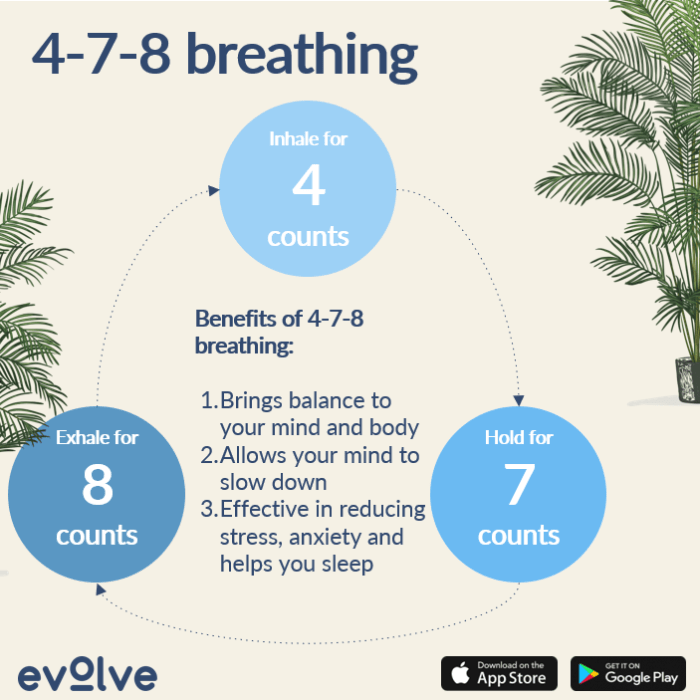
- 4-7-8 Breathing: Inhale for a count of 4, hold for a count of 7, and exhale for a count of 8. This technique can help calm the mind and promote a sense of relaxation.
- Alternate Nostril Breathing: By alternating breathing through each nostril, this technique can help balance the mind and body, reducing stress and promoting emotional balance.
Long-Term Benefits of Focusing on Emotional Wellbeing
- Improved Stress Management: By incorporating breathing exercises into daily routines, individuals can better cope with stress and reduce its negative impact on their emotional state.
- Enhanced Emotional Resilience: Regular practice of breathing exercises can help individuals build emotional resilience, allowing them to bounce back from challenges and setbacks more effectively.
- Overall Wellbeing: Prioritizing emotional wellbeing through practices like breathing exercises can lead to a more balanced and fulfilling life, with improved mental health and emotional stability.
Healthy Aging

Breathing exercises play a crucial role in promoting healthy aging by reducing stress, improving lung function, and enhancing overall well-being.
Benefits of Breathing Exercises for Older Adults
- Diaphragmatic breathing: Also known as deep breathing, this exercise helps older adults strengthen their diaphragm, improve oxygen flow, and reduce stress levels.
- Pursed lip breathing: This technique can help older adults improve their lung function, decrease shortness of breath, and enhance relaxation.
- Alternate nostril breathing: By balancing the flow of air through each nostril, this exercise can promote relaxation, reduce anxiety, and improve overall respiratory health.
Incorporating Breathing Exercises for Healthy Aging
Stress relief breathing exercises – Regular practice of these breathing exercises can contribute to healthy aging by reducing the risk of chronic diseases, improving mental clarity, and enhancing emotional well-being. Older adults can benefit from incorporating these exercises into their daily routine to maintain optimal health and vitality.
Active Lifestyle
Maintaining an active lifestyle is crucial for overall health and well-being, including stress management. Physical activity not only helps to improve physical fitness but also plays a significant role in reducing stress levels and promoting relaxation.
Combining Physical Activity with Breathing Exercises
Regular exercise, such as walking, jogging, yoga, or even dancing, can be combined with stress relief breathing exercises to enhance the benefits of both practices. Engaging in physical activity helps to release endorphins, the body’s natural stress relievers, while deep breathing techniques calm the mind and reduce anxiety. This combination can lead to a more profound sense of relaxation and stress relief.
- Start your workout session with a few minutes of deep breathing to center yourself and prepare your mind for physical activity.
- Focus on your breath during exercise, syncing your movements with your breathing patterns to create a harmonious flow between body and mind.
- After completing your workout, take a few moments to practice deep breathing again to cool down and relax your body and mind.
Role of Regular Exercise in Stress Management
Regular exercise plays a crucial role in stress management by helping to reduce the levels of cortisol, the stress hormone, in the body. Physical activity also increases the production of endorphins, which are natural mood lifters, promoting a sense of well-being and relaxation. By incorporating exercise into your daily routine, you can effectively manage stress and improve your overall quality of life.
Cardiovascular Health
Breathing exercises for stress relief not only benefit emotional well-being but also play a crucial role in maintaining cardiovascular health. By incorporating specific breathing techniques into your daily routine, you can support the health of your heart and overall cardiovascular system.
Benefits of Breathing Exercises for Heart Health, Stress relief breathing exercises
- Deep breathing exercises help reduce stress and lower blood pressure, which can decrease the risk of heart disease.
- Improved oxygen flow through controlled breathing can enhance circulation and support heart function.
- Regulating breathing patterns can promote relaxation and reduce the strain on the heart muscle.
Healthy Recipes
When it comes to managing stress and promoting relaxation, nutrition plays a crucial role in supporting our mental and physical well-being. Incorporating ingredients known for their calming effects into our meals can help reduce stress and anxiety levels.
Chamomile Lavender Tea
One soothing recipe to try is Chamomile Lavender Tea, known for its calming properties. To make this relaxing tea, steep dried chamomile and lavender flowers in hot water for a few minutes. Add a touch of honey for sweetness, if desired. Enjoy this warm beverage in the evening to unwind and relax.
Avocado and Salmon Salad
Another stress-relieving recipe is an Avocado and Salmon Salad. Avocados are rich in healthy fats that can help lower stress hormones in the body, while salmon is packed with omega-3 fatty acids known to reduce anxiety. Combine these ingredients with leafy greens, cherry tomatoes, and a drizzle of olive oil for a nutritious and calming meal.
Banana Almond Butter Smoothie
For a quick and easy stress-busting snack, try a Banana Almond Butter Smoothie. Bananas are high in potassium, which can help regulate blood pressure and reduce stress, while almond butter provides healthy fats and protein for sustained energy. Blend a ripe banana with almond butter, Greek yogurt, and a splash of almond milk for a creamy and satisfying treat.
Mental Resilience
Breathing exercises for stress relief not only benefit your physical health but also play a crucial role in enhancing mental resilience. By incorporating mindful breathing practices into your daily routine, you can cultivate a resilient mindset that helps you better cope with stress and adversity.
Strategies for Cultivating Mental Resilience
- Practice deep breathing exercises regularly to calm the mind and reduce stress levels.
- Engage in mindfulness meditation to increase self-awareness and emotional regulation.
- Develop a positive outlook by focusing on gratitude and practicing positive affirmations.
- Build a support network of friends and family to lean on during challenging times.
Impact of Mental Resilience
Mental resilience plays a crucial role in how individuals respond to stress and adversity. Those with a resilient mindset are better equipped to navigate challenges, bounce back from setbacks, and maintain a sense of emotional well-being. By incorporating stress relief breathing exercises into your daily routine, you can strengthen your mental resilience and improve your overall ability to cope with life’s ups and downs.
Immune Support
Stress relief, breathing exercises, and immune function are interconnected in a profound way. When we experience stress, our bodies release cortisol, a hormone that can suppress the immune system. By practicing breathing exercises and stress relief techniques, we can lower cortisol levels, thus supporting a healthier immune response.
Benefits of Stress Management on Immune System
- Reduces inflammation: Chronic stress can lead to increased inflammation in the body, which can negatively impact immune function. Managing stress through relaxation techniques can help reduce inflammation levels.
- Enhances immune cell activity: Stress management practices have been shown to enhance the activity of immune cells, such as T cells and natural killer cells, which play a crucial role in fighting off infections.
- Promotes better sleep: Adequate rest is essential for a healthy immune system. Stress relief techniques can help improve sleep quality, allowing the body to repair and regenerate immune cells during the night.
Stress Relief
Breathing exercises are a powerful tool in reducing stress levels and promoting relaxation. When we are stressed, our breathing tends to become shallow and rapid, leading to increased tension in the body. By practicing deep breathing techniques, we can activate the body’s relaxation response, calm the mind, and release built-up stress.
Effectiveness of Breathing Exercises
- Deep breathing exercises help to increase oxygen flow, which can reduce the production of stress hormones in the body.
- By focusing on the breath, we can shift our attention away from stressful thoughts and into the present moment, promoting mindfulness.
- Breathing exercises can lower heart rate and blood pressure, signaling the body to relax and unwind.
Step-by-Step Guide to Performing Stress Relief Breathing Exercises
- Find a quiet and comfortable place to sit or lie down.
- Place one hand on your chest and the other on your abdomen.
- Inhale deeply through your nose, allowing your abdomen to rise as you fill your lungs with air.
- Exhale slowly through your mouth, feeling your abdomen fall as you release the breath.
- Repeat this process for several minutes, focusing on the sensation of your breath moving in and out of your body.
Physiological Benefits of Deep Breathing for Stress Relief
- Deep breathing activates the parasympathetic nervous system, responsible for relaxation and calming the body’s stress response.
- It can improve oxygen circulation throughout the body, enhancing overall well-being and reducing tension.
- Regular practice of deep breathing exercises can help regulate emotions and reduce the impact of stress on both the body and mind.
Nutritional Balance
Maintaining a balanced diet is crucial for managing stress effectively. Proper nutrition plays a significant role in supporting overall well-being and enhancing the effectiveness of stress relief techniques.
Tips for Achieving Nutritional Balance
- Include a variety of fruits and vegetables in your meals to ensure a wide range of essential nutrients.
- Choose whole grains over refined carbohydrates to provide sustained energy levels.
- Incorporate lean proteins such as fish, poultry, beans, and nuts to support muscle health and repair.
- Avoid excessive consumption of processed foods, sugary snacks, and high-fat meals that can negatively impact mood and energy levels.
Role of Proper Nutrition in Stress Management
Proper nutrition not only supports physical health but also plays a crucial role in mental well-being. Nutrient-dense foods can help regulate mood, reduce inflammation, and provide the necessary energy for engaging in stress-relief activities. By maintaining a balanced diet, individuals can enhance the effectiveness of stress management techniques and improve their overall resilience to daily challenges.
Commonly Asked Questions: Stress Relief Breathing Exercises
Are stress relief breathing exercises suitable for all age groups?
Yes, these exercises can be beneficial for individuals of all ages, including older adults looking to improve their well-being.
How often should one practice stress relief breathing exercises?
It is recommended to practice these exercises daily or whenever you feel overwhelmed by stress to experience their full benefits.
Can stress relief breathing exercises improve mental resilience?
Absolutely, engaging in these exercises can enhance your mental resilience and ability to cope with stress and adversity.


More Stories
Nutritional balance and mental health: A vital connection for overall well-being
Immune support for people with chronic illness: Enhancing health through holistic strategies
How to improve cardiovascular health with diet: Key Tips and Strategies