Healthy Habits: Emotional Wellbeing And Its Impact On Decision-making
Maintaining daily healthy habits is crucial for enhancing emotional wellbeing and overall wellness. Consistency in practicing these habits can lead to long-term benefits and a more positive outlook on life.
List of Daily Healthy Habits:
- Regular exercise: Engaging in physical activity can help reduce stress levels and improve mood.
- Healthy diet: Eating nutritious foods can provide the body and mind with the necessary nutrients for optimal function.
- Adequate sleep: Getting enough rest is essential for emotional regulation and cognitive function.
- Mindfulness and meditation: Practicing mindfulness techniques can help reduce anxiety and promote relaxation.
- Social connections: Maintaining strong relationships with others can provide emotional support and a sense of belonging.
Consistency is key in maintaining healthy habits. Small changes in daily routines can have a significant impact on emotional wellbeing over time.
Emotional Wellbeing
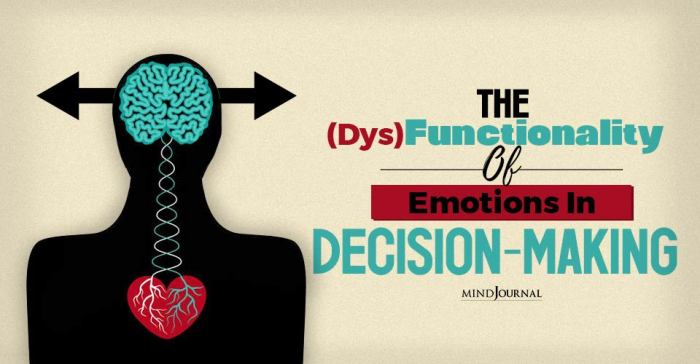
Emotional wellbeing refers to the state of being able to understand and manage our emotions effectively. It plays a crucial role in decision-making processes as our emotional state can greatly influence the choices we make.
Emotional wellbeing impacts decision-making in various ways. For example, when someone is experiencing high levels of stress or anxiety, they may struggle to think clearly and rationally, leading to impulsive or irrational decisions. On the other hand, individuals with a strong sense of emotional wellbeing are better equipped to handle challenging situations, regulate their emotions, and make more informed choices.
Connection between Emotional Intelligence and Emotional Wellbeing
Emotional intelligence, which involves recognizing and managing our own emotions as well as understanding and empathizing with others, is closely linked to emotional wellbeing. People with high emotional intelligence tend to have better emotional wellbeing as they are more adept at handling stress, conflict, and difficult emotions. This, in turn, enables them to make more thoughtful and balanced decisions in various aspects of life.
Healthy Aging
Emotional wellbeing plays a crucial role in healthy aging as individuals transition into their later years. It can impact various aspects of a person’s life, including their physical health, cognitive function, and overall quality of life.
Strategies for Maintaining Emotional Wellbeing
- Engage in regular physical activity: Exercise has been shown to improve mood and reduce symptoms of anxiety and depression.
- Stay connected with loved ones: Maintaining strong social connections can provide emotional support and reduce feelings of loneliness.
- Practice mindfulness and relaxation techniques: Techniques such as meditation and deep breathing can help manage stress and promote emotional balance.
- Seek professional help if needed: If feelings of sadness or anxiety persist, it’s important to seek help from a mental health professional.
Role of Resilience in Healthy Aging
Resilience plays a vital role in promoting emotional wellbeing as individuals age. It involves the ability to adapt to and bounce back from challenging situations, which becomes increasingly important as people face the inevitable changes and losses that come with aging. Building resilience can help individuals maintain a positive outlook, cope with stress, and navigate the ups and downs of the aging process more effectively.
Active Lifestyle
Emotional wellbeing and its impact on decision-making – An active lifestyle plays a crucial role in maintaining emotional wellbeing. Engaging in regular physical activity has numerous benefits for mental health and decision-making.
Benefits of Regular Physical Activity
Regular physical activity can have a positive impact on emotional wellbeing by:
- Reducing symptoms of anxiety and depression
- Boosting self-esteem and confidence
- Improving cognitive function and focus
- Increasing energy levels and promoting better sleep
“Physical activity releases endorphins, which are known as ‘feel-good’ hormones that can help improve mood and reduce stress.”
Tips for Incorporating Physical Activity
Here are some practical tips to incorporate physical activity into your daily routine:
- Start with small steps like taking the stairs instead of the elevator or going for a short walk during breaks.
- Find activities you enjoy, whether it’s dancing, swimming, or cycling, to make exercise more fun and sustainable.
- Schedule regular workout sessions in your calendar to make it a priority and hold yourself accountable.
- Join group fitness classes or sports teams to stay motivated and connected with others who share similar interests.
Cardiovascular Health
Emotional wellbeing plays a crucial role in cardiovascular health, as stress and other emotional factors can have a significant impact on the heart.
Impact of Emotional Wellbeing on Cardiovascular Health
Stress and negative emotions can lead to an increase in blood pressure, heart rate, and the release of stress hormones like cortisol, which can contribute to the development of cardiovascular diseases. Chronic stress can also weaken the immune system, making individuals more susceptible to heart-related issues.
Strategies for Managing Stress
- Practice relaxation techniques such as deep breathing, meditation, or yoga to reduce stress levels.
- Engage in regular physical activity, which can help improve cardiovascular health and release endorphins to elevate mood.
- Ensure a healthy diet rich in fruits, vegetables, whole grains, and lean proteins to support heart health.
- Get an adequate amount of sleep to allow the body to rest and recover from daily stressors.
- Seek social support from friends, family, or a therapist to share feelings and receive emotional support.
Healthy Recipes
When it comes to emotional wellbeing, the food we eat plays a crucial role in how we feel. Nutritious recipes can positively impact our mental health and overall wellbeing. A balanced diet not only nourishes our bodies but also supports our mental health, helping us feel more energized, focused, and emotionally stable.
Nutrient-Packed Smoothie Bowl Recipe
- 1 cup of mixed berries (such as strawberries, blueberries, and raspberries)
- 1 banana
- 1/2 cup of spinach
- 1/4 cup of Greek yogurt
- 1 tablespoon of chia seeds
- 1/2 cup of almond milk
Mix all ingredients in a blender until smooth. Pour into a bowl and top with additional berries, nuts, and seeds for added crunch and nutrients.
Balanced Veggie Stir-Fry Recipe
- 1 cup of mixed vegetables (such as bell peppers, broccoli, carrots, and snap peas)
- 1/2 block of firm tofu, cubed
- 2 cloves of garlic, minced
- 1 tablespoon of soy sauce
- 1 tablespoon of sesame oil
- Cooked quinoa or brown rice for serving
Stir-fry vegetables and tofu in a pan with garlic, soy sauce, and sesame oil until tender. Serve over cooked quinoa or brown rice for a satisfying and nutritious meal.
Tips for Meal Planning
- Include a variety of colorful fruits and vegetables in your meals to ensure you’re getting a range of vitamins and minerals.
- Opt for whole grains like quinoa, brown rice, and oats to provide sustained energy throughout the day.
- Incorporate lean proteins such as chicken, fish, tofu, or legumes to support muscle health and satiety.
- Avoid processed foods high in added sugars and unhealthy fats, as they can negatively impact your mood and energy levels.
- Drink plenty of water throughout the day to stay hydrated and support cognitive function.
Mental Resilience
Mental resilience refers to the ability to adapt and bounce back from adversity, trauma, or stress. It plays a crucial role in maintaining emotional wellbeing by helping individuals cope with challenges and make informed decisions even in difficult circumstances.
Building Resilience Strategies
Building mental resilience can be achieved through various strategies, such as:
- Developing a positive mindset and outlook on life
- Practicing mindfulness and meditation to manage stress
- Cultivating strong social connections and support systems
- Setting realistic goals and working towards them
- Engaging in regular physical activity to boost mental health
Importance of Self-Care
Self-care practices play a vital role in nurturing mental resilience by:
- Prioritizing adequate sleep to rejuvenate the mind and body
- Eating a balanced diet to support overall health and wellbeing
- Engaging in hobbies and activities that bring joy and relaxation
- Seeking professional help or therapy when needed
- Setting boundaries and learning to say no to avoid burnout
Immune Support
Emotional wellbeing plays a crucial role in supporting the immune system. The way we feel and handle our emotions can have a direct impact on our body’s ability to fight off illnesses and infections.
Link between Emotional Health and Immune Function
Stress, anxiety, and negative emotions can weaken the immune system, making us more susceptible to diseases. When we are under chronic stress, our body produces cortisol, a hormone that can suppress the immune response. This can lead to inflammation and a reduced ability to combat infections.
Enhancing Immune Support through Emotional Wellbeing, Emotional wellbeing and its impact on decision-making
- Practice mindfulness and meditation: These techniques can help reduce stress levels and promote a sense of calm, which can boost immune function.
- Engage in regular physical activity: Exercise has been shown to improve mood and reduce stress, benefiting both emotional wellbeing and immune health.
- Get enough sleep: Adequate sleep is essential for a healthy immune system. Aim for 7-9 hours of quality sleep each night.
- Cultivate positive relationships: Surround yourself with supportive and positive individuals who can uplift your mood and provide emotional support.
- Manage stress effectively: Find healthy ways to cope with stress, such as deep breathing exercises, yoga, or spending time in nature.
Stress Relief
Managing stress is crucial for improving emotional wellbeing and overall health. Chronic stress can have a detrimental impact on decision-making abilities, leading to poor choices and increased risk of mental health issues.
Effective Methods for Managing Stress
Here are some effective methods for managing stress:
- Practice mindfulness and meditation to calm the mind and reduce anxiety.
- Engage in regular physical activity to release endorphins and improve mood.
- Establish a healthy sleep routine to ensure proper rest and rejuvenation.
- Connect with loved ones and seek social support when feeling overwhelmed.
Impact of Chronic Stress on Decision-Making
Chronic stress can impair cognitive function and decision-making abilities by affecting the prefrontal cortex of the brain, which is responsible for rational thinking and impulse control.
High levels of stress hormones like cortisol can disrupt neural pathways and lead to poor judgment and impulsive behavior.
Relaxation Techniques for Stress Reduction
Here are some relaxation techniques that can help reduce stress and promote emotional balance:
- Deep breathing exercises to calm the nervous system and reduce tension.
- Progressive muscle relaxation to release physical stress and improve overall relaxation.
- Yoga and tai chi for gentle movements and mindfulness practices that promote relaxation.
- Listening to soothing music or nature sounds to create a peaceful environment for relaxation.
Nutritional Balance
Maintaining a balanced diet is crucial for supporting emotional wellbeing. The food we consume plays a significant role in influencing our mood, cognitive function, and overall mental health.
Impact of Specific Nutrients
Specific nutrients in our diet can have a direct impact on our mood and cognitive function. For example, omega-3 fatty acids found in fish are known to reduce symptoms of depression and anxiety. Additionally, complex carbohydrates like whole grains can help regulate serotonin levels in the brain, promoting a sense of well-being.
Guidance on Balanced Diet
To support optimal emotional health, it is essential to include a variety of nutrient-rich foods in your diet. Aim to consume a mix of fruits, vegetables, whole grains, lean proteins, and healthy fats. Limit processed foods, sugary snacks, and excessive caffeine intake, as these can negatively affect mood and energy levels. Remember to stay hydrated by drinking plenty of water throughout the day.
Question Bank
How does emotional wellbeing impact decision-making?
Emotional wellbeing can significantly influence decision-making by affecting our clarity of thought, risk-taking tendencies, and overall cognitive abilities.
What are some strategies to improve emotional wellbeing?
Practicing mindfulness, engaging in regular physical activity, maintaining social connections, and seeking professional help when needed are effective ways to enhance emotional wellbeing.
Is there a connection between emotional intelligence and emotional wellbeing?
Yes, emotional intelligence plays a vital role in fostering emotional wellbeing as it involves understanding and managing one’s emotions effectively, which in turn impacts decision-making processes.


More Stories
Nutritional balance and mental health: A vital connection for overall well-being
Stress relief breathing exercises: Breathe your way to calmness and well-being
Immune support for people with chronic illness: Enhancing health through holistic strategies